Production and Applications of Cellulose Film
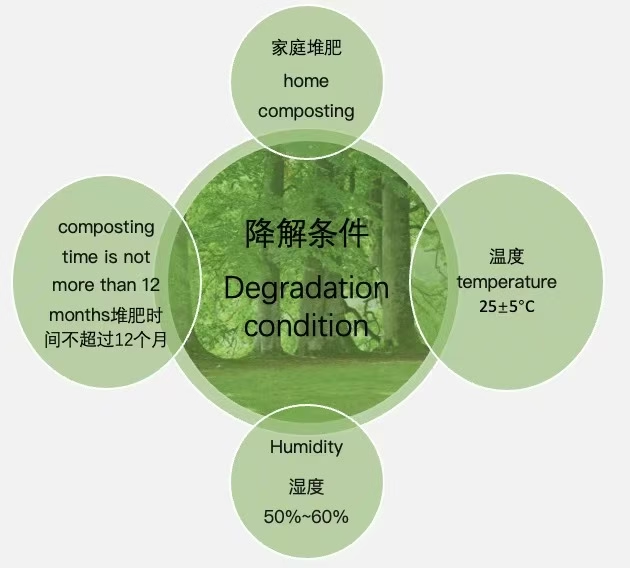
Cellulose Film, commonly known as cellophane, has the technical name Regenerated Cellulose. Its greatest contribution to the environment is its ability to be home-composted directly. In the soil, microorganisms, humidity, and moisture naturally degrade it into carbon dioxide and water. These products, in turn, nourish plants and are absorbed through photosynthesis.
The following diagram provides an easy way to understand its degradation process and conditions.
So how is this amazing film made?
Cellulose film is primarily made from wood pulp, which is first processed into viscose through a series of steps:
Viscose preparation: Pulp → Alkalization → Aging → Yellowing → Dissolving → Ripening → Filtering → Defoaming
The prepared viscose is then further processed into regenerated cellulose film through the following steps:
Film formation: Coagulation → Washing → Desulfurization → Bleaching → Softening → Drying → Humidity conditioning → Winding
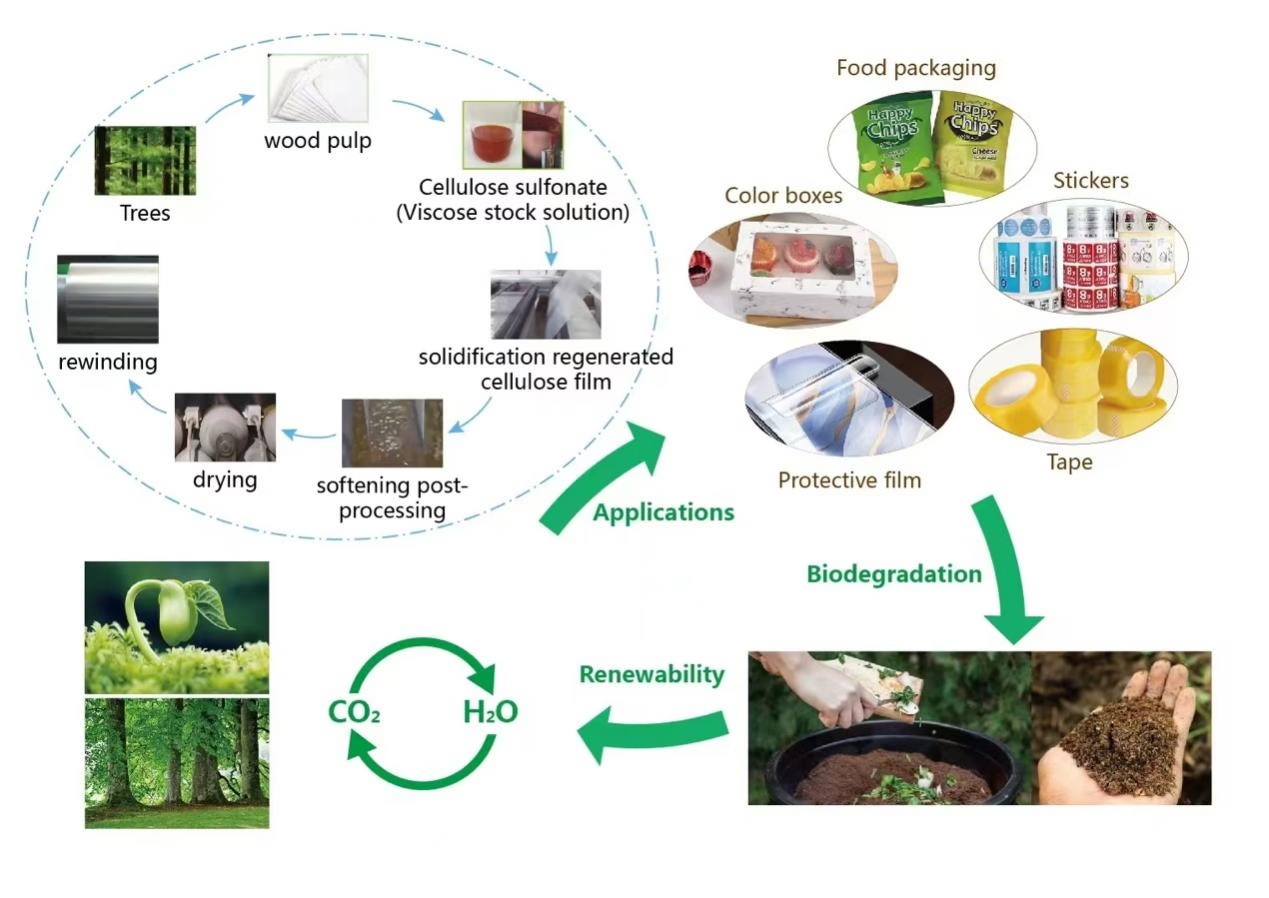
Cellulose Film (commonly known as cellophane) was primarily used for the packaging of red fireworks and firecrackers that we see in daily life during the early stages of industrial development. With the advancement of scientific research and technology, its range of applications has become very extensive. Let’s take a look at several typical applications in detail:
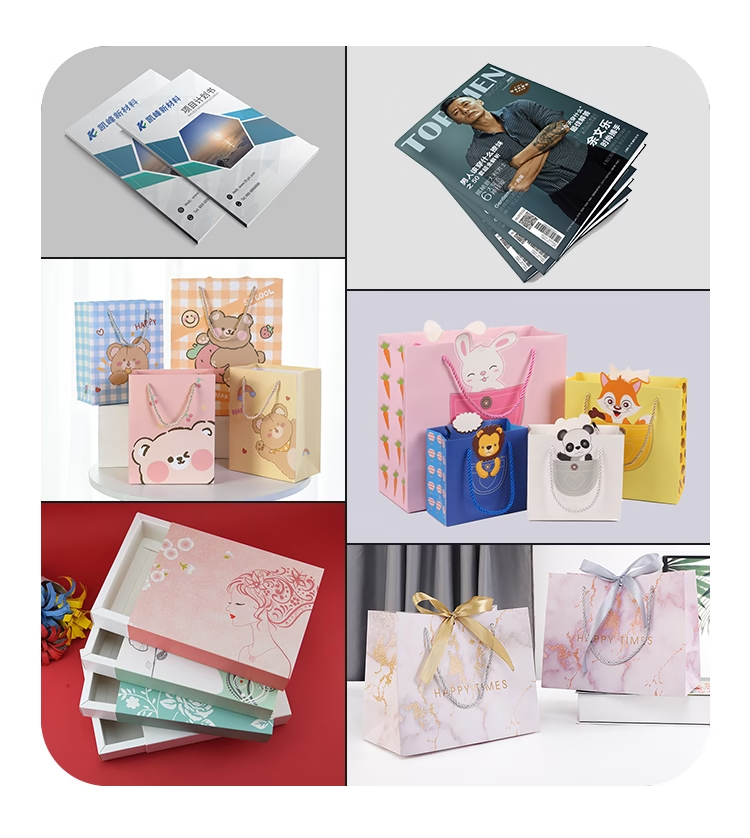
1.Color Printing & Lamination
In the traditional color box industry, printed art paper or kraft paper usually needs to be laminated with a thin film (such as 12µm or 15µm BOPP/BOPET) to protect the printed surface and provide the boxes with water-, oil-, and stain-resistant properties.
However, when recycling such composite paper, the plastic film must be separated from the paper, increasing recycling costs. With the implementation of plastic bans in many countries, the market urgently needs an environmentally friendly solution that retains protective functions while being easy to recycle.
At this point, cellulose film shows its natural advantages:
High recyclability: Made from paper, it can be recycled together with the paper and pulped for reuse.
Excellent processing performance: Its surface has a natural corona treatment, allowing for hot stamping, screen printing, UV coating, and other processes, while being fold- and crack-resistant.
High transparency: Its light transmittance can match that of ordinary BOPP, perfectly restoring printed colors.
Because of these characteristics, cellulose film has become the most widely used eco-friendly alternative to plastic films in the paper-plastic lamination industry.
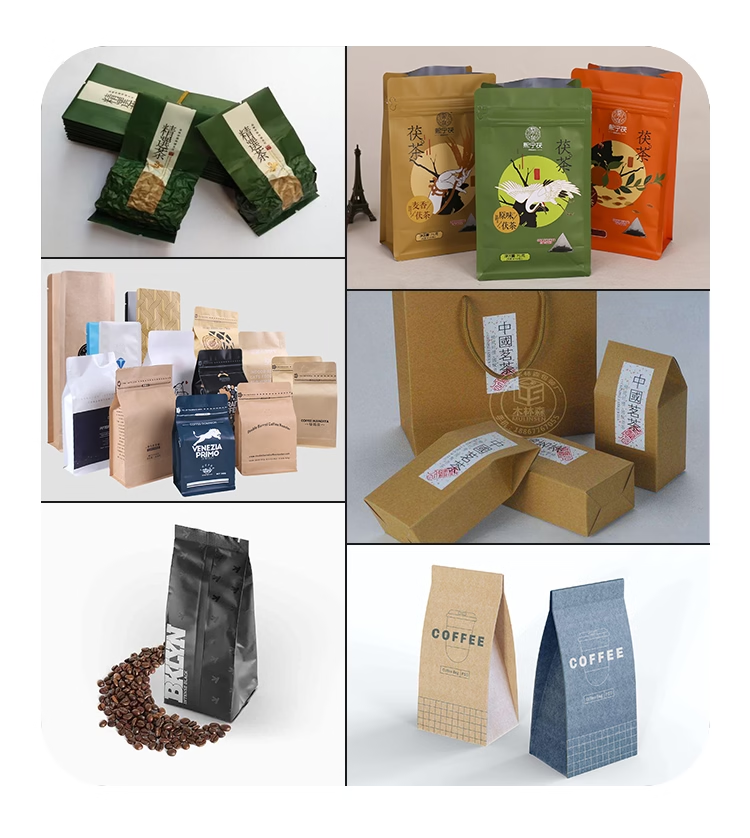
2.Flexible Packaging Lamination
In the traditional flexible packaging industry, printing materials usually first choose PET, followed by PP. After printing, these materials are often laminated with other plastics, such as metallized PET or PE. However, these materials are non-degradable, creating environmental pressure.
Cellulose film has therefore become an ideal choice of printing material in the flexible packaging industry. Its advantages include:
High natural corona treatment: Easy for printing and surface processing
Excellent flatness: Ensures printing quality and film tension
Outstanding transparency: High fidelity in color reproduction
Degradable: Eco-friendly and suitable for home composting
Thanks to these features, cellulose film is becoming the preferred green alternative in the flexible packaging sector.
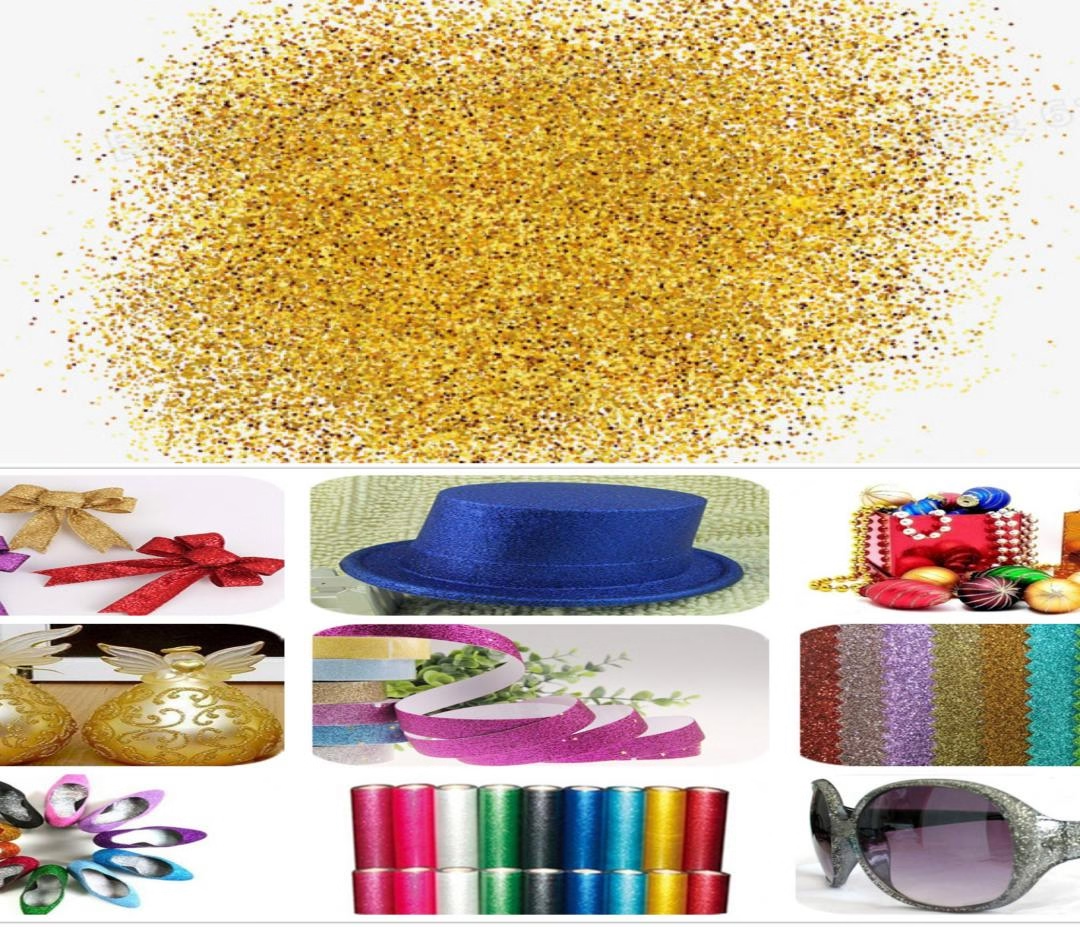
 3.Glitter Powder
Traditionally, the production of glitter powder requires first metallizing and printing PET or BOPP films, then cutting them into various colors and shapes using different molds. These glitter powders are widely used in clothing, decorative products, and other fields, but they are difficult to recycle or naturally degrade, creating environmental burdens.
Cellulose film is very popular in this industry and is currently one of the most widely used and highest-volume applications. Its advantages include:
High natural corona treatment: Metallization and printing are very easy
Easy processing: Can be directly made into various glitter powders
Eco-friendly and degradable: Replaces traditional PET/BOPP, enabling green production
Because of these characteristics, cellulose film is becoming an ideal sustainable alternative for glitter powder production.
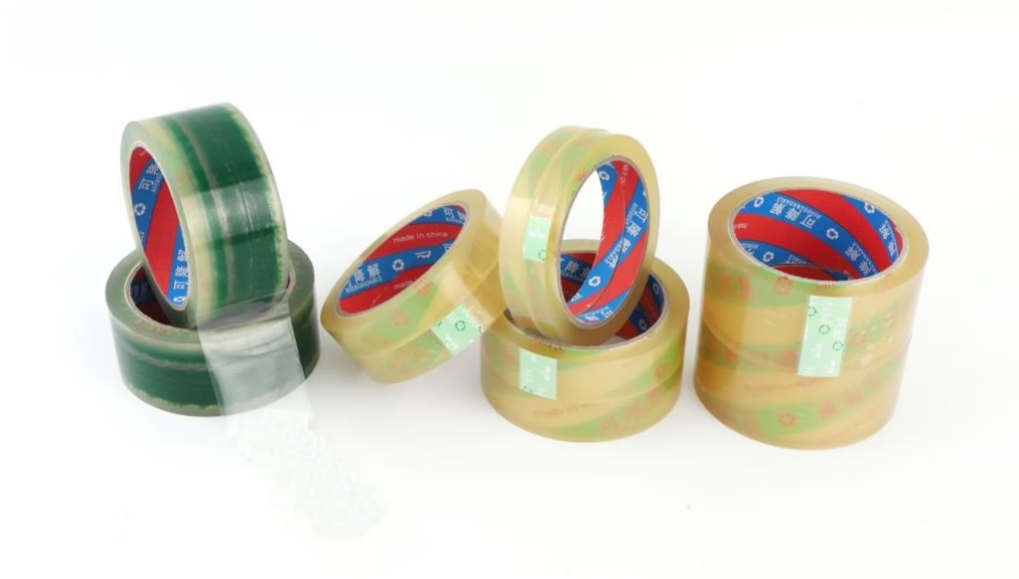
 4.Packing Tape
Traditional packing tapes are usually made from BOPP as the base material, coated with adhesive, and cut into small rolls, widely used in the logistics industry. After use, if the cardboard is to be recycled, the tape usually needs to be separated from the box, increasing recycling costs.
Cellulose film is highly regarded in the packing tape sector, with the following advantages:
Recyclable with cardboard: No additional separation required, reducing recycling costs
Eco-friendly and degradable: Reduces plastic pollution
Easy processing: Simple to coat with adhesive, easy to cut, and stable in performance
Thanks to these features, cellulose film is becoming a green alternative in the
packing tape industry.
5.Label Industry
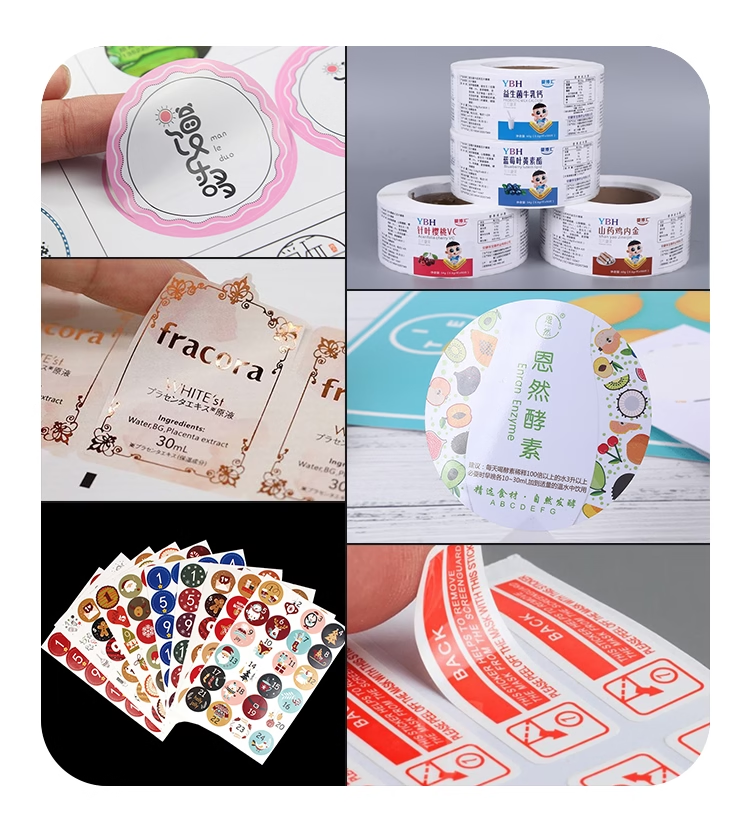
Currently, most labels are printed on art paper, BOPP, or PET. Printed art paper usually requires an additional layer of BOPP film to protect the ink, making the process complex. Labels printed directly on BOPP or PET do not require a protective film, but they are difficult to recycle.
The emergence of cellulose film solves these industry challenges:
Directly recyclable: No need to separate the film from the paper
Direct printing: No additional protective film required
Adhesive-friendly: Applying adhesive on cellulose or other materials is simple and does not increase processing difficulty
Eco-friendly degradation: After disposal, it naturally degrades into carbon dioxide and water in the soil, causing no environmental burden
Using cellulose film makes label production more efficient while achieving true green and sustainable practices.
6. Protective Film
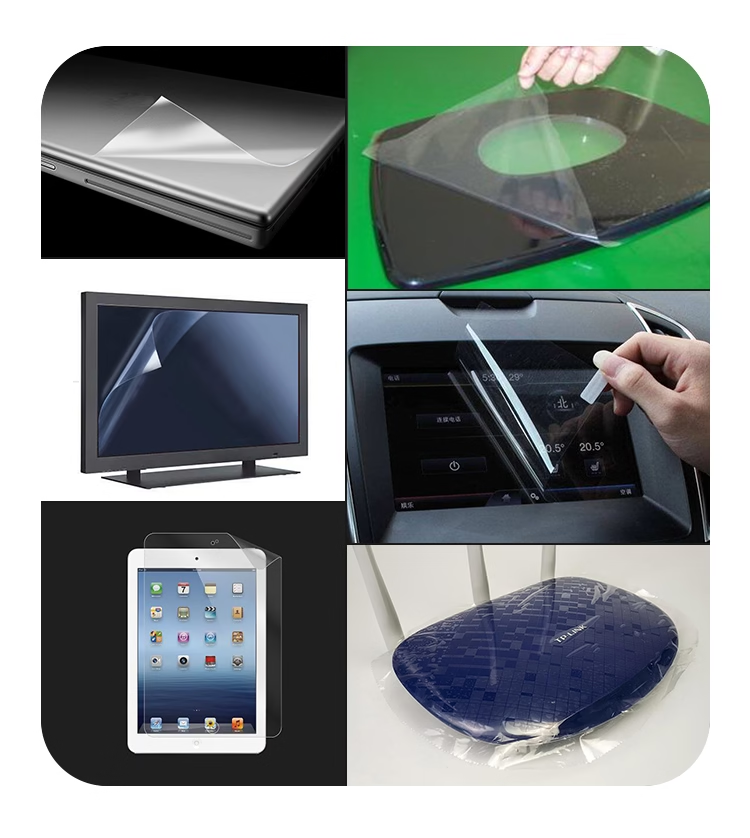
In daily life, you may notice that new appliances or metal parts on new bags are covered with a thin protective film. Removing it reveals a pristine product, demonstrating the film’s function—to protect the product surface.
In the industrial field, traditional protective films are usually made from PE or PET. With the introduction of plastic bans, cellulose film has become an ideal alternative. Its advantages include:
Fully replaces PE/PET: Eco-friendly and degradable, with no plastic pollution
Customizable adhesive: Can be coated with silicone or acrylic adhesives according to product protection requirements
Excellent processing performance: Can be embossed and treated to prevent air bubbles, providing superior protection
Environmentally friendly: After use, it naturally degrades in soil
Cellulose film allows protective films to not only safeguard products but also protect the environment, achieving green and sustainable development.
The above six applications are currently the most widespread and well-established fields for cellulose film. Of course, it is also used in other areas, such as food packaging and garment bags, which can all be categorized under the flexible packaging industry.
As for other more niche or highly specialized applications, they will not be elaborated here for the sake of simplicity and ease of understanding.