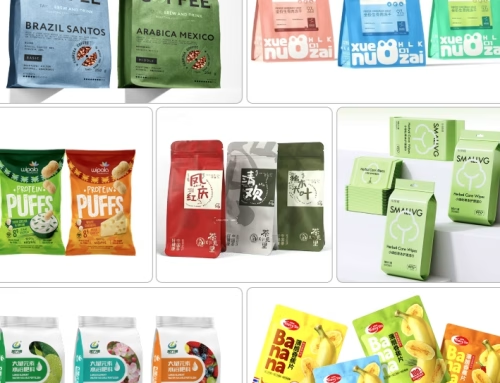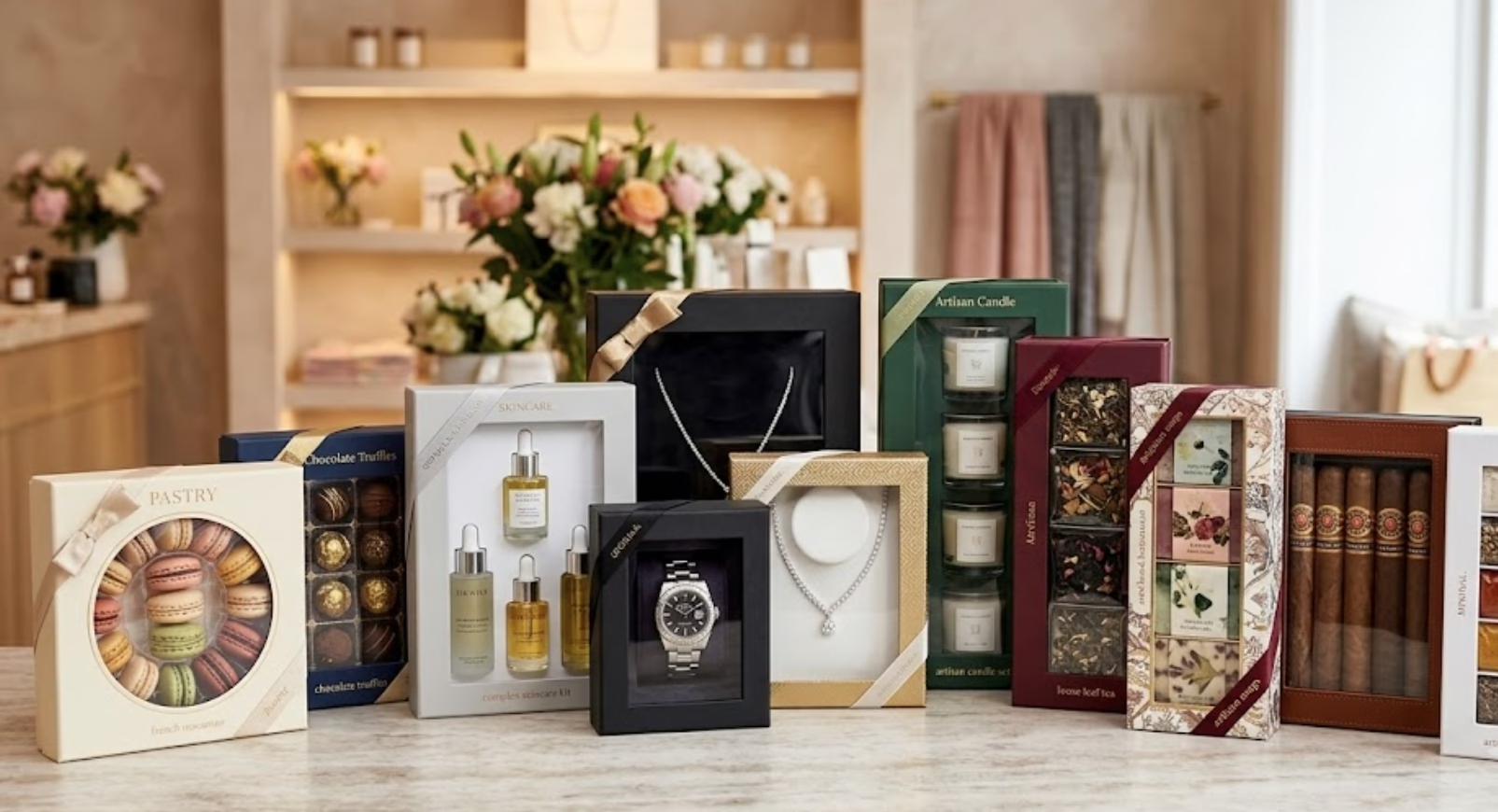
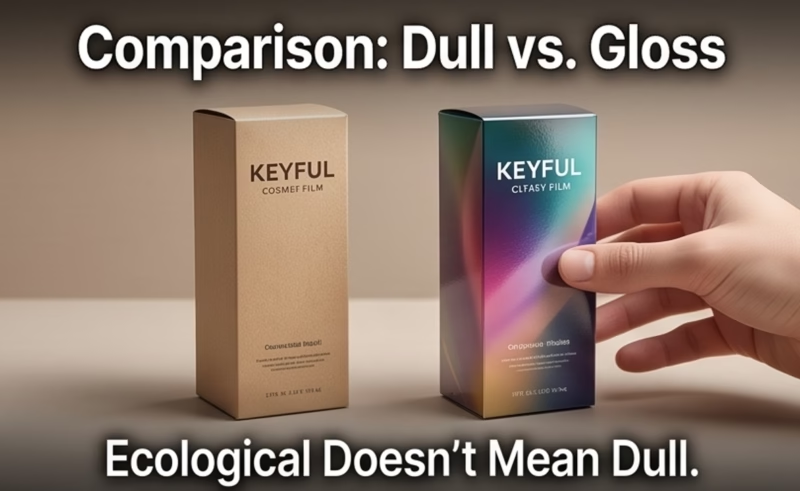
The retail shelf is a war zone. Brands fight for eyeballs. They always have. But now, sustainability is the new battleground. Yet, most brands think going green means ditching the gloss. They picture dull, lifeless packaging. Packaging that fades into the background. This perception is costing them sales. We need to talk about how to win the shelf war with truly sustainable materials that don’t compromise on visual impact. Specifically, we’re looking at why BOPLA glossy film is becoming the go-to choice for brands in 2026, and what that means for packaging converters.
Can Sustainable Packaging Actually Look Premium?
The short answer? Yes. The long answer? It’s been a struggle. For years, the packaging industry has relied on Biaxially Oriented Polypropylene (BOPP). It’s cheap. It’s glossy. It’s got that slick, high-end feel. But it’s a petroleum product. A fossil fuel nightmare. Now, the market demands better. Consumers are pushing. Regulators are tightening. Brands are scrambling to find alternatives. The fear is that ‘eco-friendly’ equates to ‘cheap and cheerful’. That means sacrificing the premium aesthetic consumers expect, especially in categories like cosmetics, luxury foods, and high-end electronics. This is where innovation is critical.
Key Takeaways
- BOPLA glossy film offers superior optical clarity and high gloss, directly competing with traditional BOPP.
- It runs on existing thermal and wet laminating machines with minor adjustments, avoiding significant capital expenditure.
- PLA-G provides excellent adhesion for secondary finishes like spot UV and hot foil stamping.
- The film is compostable, meeting international standards like EN 13432.
The Glossy Film Dilemma: BOPP vs. The Eco-Conscious Alternative
Let’s be blunt. BOPP is the benchmark for gloss and clarity in commercial laminating. Its high surface tension and optical properties are well-understood. Print converters have decades of experience running it. They know its quirks. Its heat resistance. Its print receptivity. When you talk about replacing it, especially with something perceived as ‘new’ or ‘organic’, the factory floor gets nervous. They fear jams. They fear rejects. They fear costly downtime.
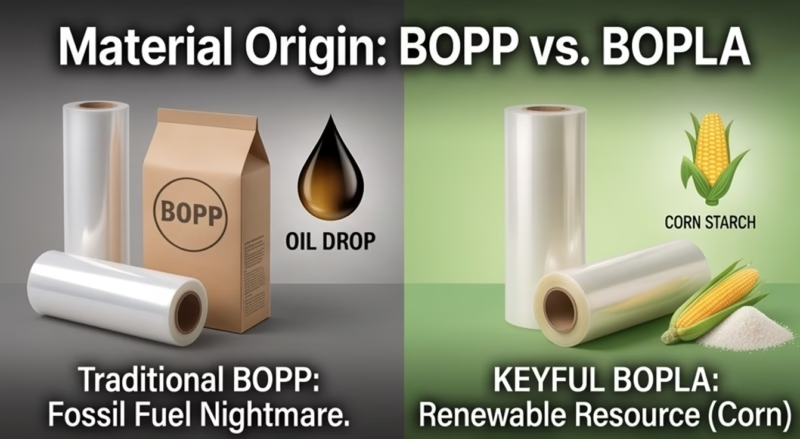
The problem is simple: BOPP is not sustainable. It’s derived from oil. Its end-of-life is problematic. Landfills. Microplastics. The pressure to move away from it is immense. But the fear of losing that critical shelf appeal – that immediate visual ‘wow’ factor – holds many brands back. They see the glossy finish as non-negotiable.
KEYFUL PLA-G: The High Clarity BOPLA Solution
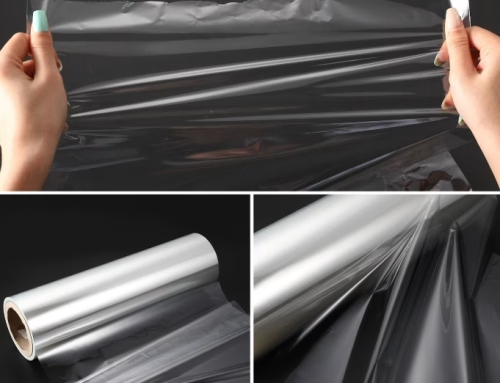
This is where materials like KEYFUL Group’s BOPLA Glossy Film (PLA-G) enter the picture. Forget the cloudy, brittle bioplastics of the past. PLA-G is engineered for performance. It delivers the high gloss and exceptional optical clarity that brands demand. We’re talking about a glass-like finish. A reflection that makes products pop. It directly rivals premium BOPP. No compromises. This isn’t just a theoretical benefit; it’s a tangible improvement on the shelf.
Why BOPLA? Biaxially Oriented Polylactic Acid. It’s derived from renewable resources like corn starch. The ‘Biaxially Oriented’ part is key. It means the film is stretched in two directions during manufacturing. This process aligns the polymer chains. It enhances mechanical properties. It gives the film its strength, clarity, and dimensional stability. Crucially, it means PLA-G behaves predictably on the laminator.
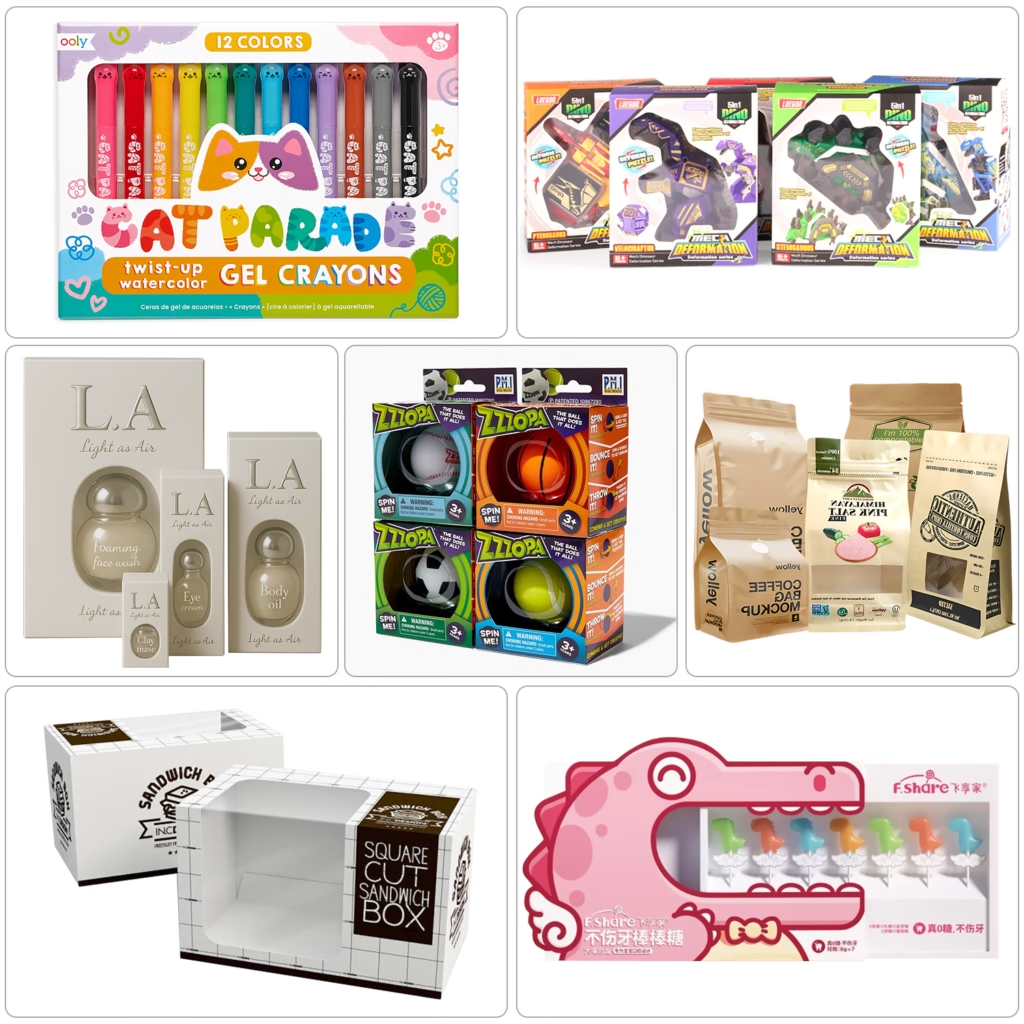
Manufacturing Realities: Running PLA-G on Existing Machines
The biggest hurdle for any new packaging material isn’t the brand’s marketing department. It’s the print converter’s factory floor. Will it jam? Will it tear? Will it require a multi-million dollar machine upgrade? Converters hate surprises. They operate on tight margins.
KEYFUL PLA-G is designed as a drop-in solution. Seriously. You can run it on most existing thermal lamination machines. And wet laminators too. The process is straightforward. Operators typically need to dial back the laminating temperature slightly. PLA has a lower melting point than polypropylene. That’s it. No new $500,000 laminator needed. No massive capital expenditure. This makes the switch financially viable for converters. And that means faster adoption for brands.
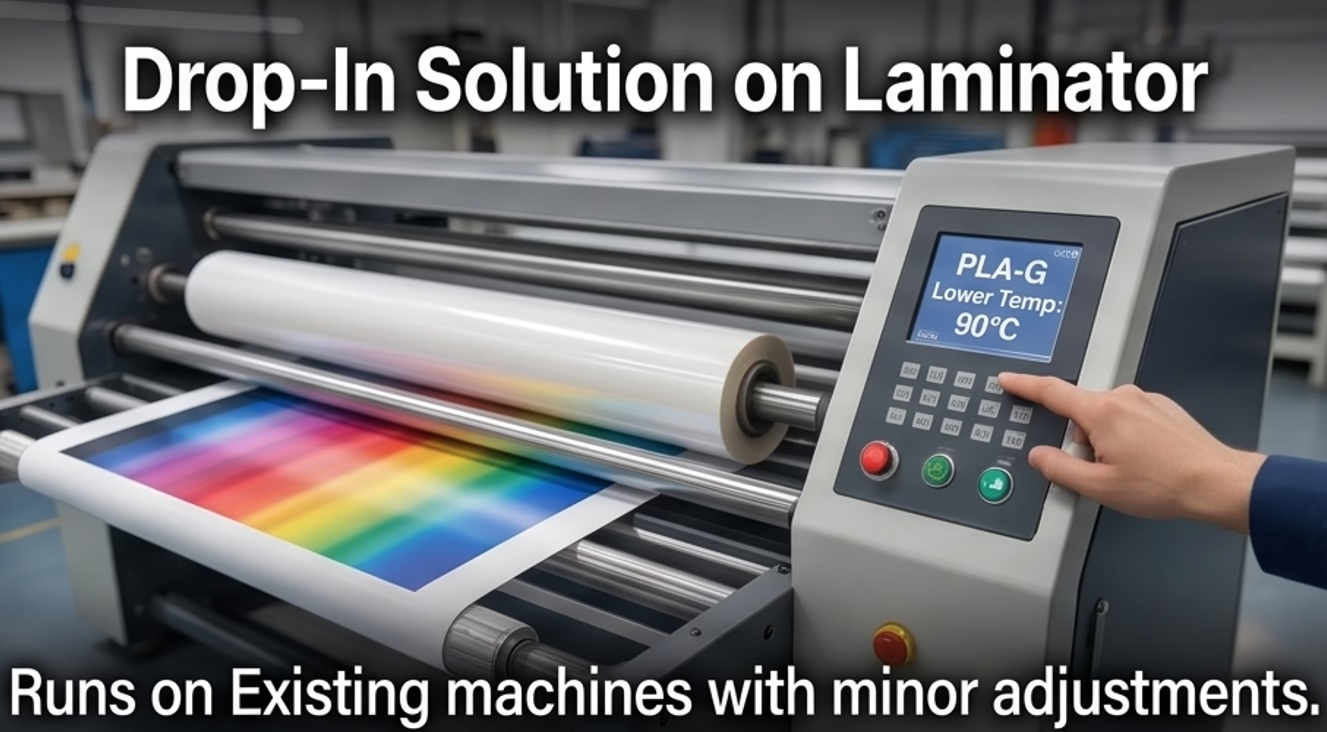
We understand the factory floor. We know the challenges of running different film gauges, different adhesion levels, and different heat sensitivities. PLA-G is formulated to be forgiving. It maintains consistent tension. It minimizes web breaks. This translates directly to increased run speeds and reduced waste. Less waste means lower costs. Lower costs mean better margins. It’s a win-win.
Achieving Superior Shelf Appeal with PLA-G
Let’s talk specifics. Shelf appeal isn’t just about gloss. It’s about the overall presentation. How does the packaging interact with other finishing processes?
Spot UV and Hot Foil Stamping Performance
Brands love spot UV for highlighting logos and graphics. Hot foil stamping adds that touch of luxury. But applying these finishes over sustainable films can be tricky. Poor adhesion means flaking. Flaking means a cheap look. It ruins the premium perception.
KEYFUL PLA-G is calibrated for this. Its surface tension is engineered to extremely high dyne levels. This ensures aggressive adhesion. Spot UV varnishes bond tightly. Hot foils adhere without peeling or delaminating. Test it. You’ll see the difference. This reliability is what converters need. It’s what brands expect.
Eco-friendly BOPLA Films Solution for Crystal-Clear Window Patching
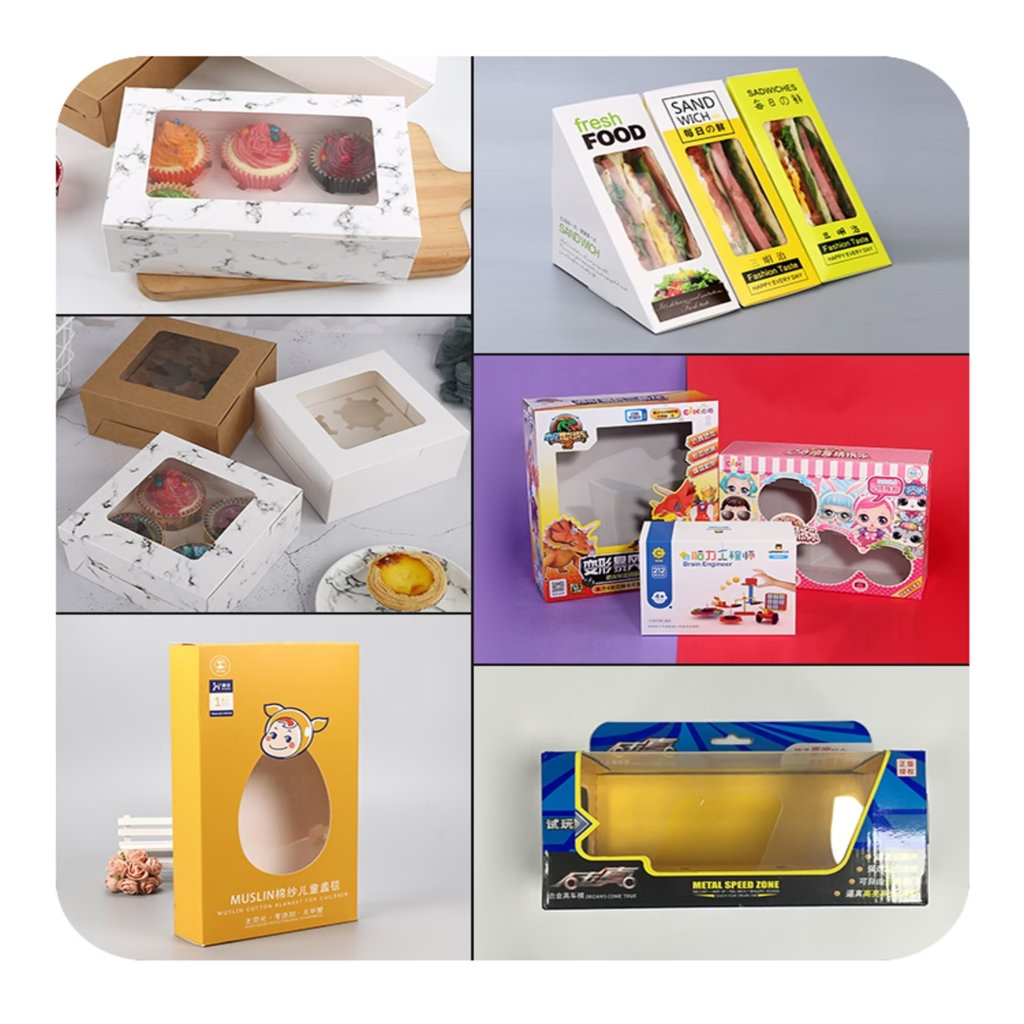
Consumers want to see the product. Especially in food and cosmetics. A clear window builds trust. It shows the quality. It highlights texture. Cloudy or yellowing film behind the window is a deal-breaker.
PLA-G provides distortion-free window patching. Its high optical clarity means the product inside looks exactly as it should. No warping. No yellowing under store lights. It maintains its transparency over time. This is critical for maintaining consumer confidence. Think high-end pasta boxes. Premium cosmetic cartons. Electronics packaging. They all benefit from a perfectly clear window.
Dimensional Stability for Luxury Packaging
Luxury gift boxes and high-value product packaging need to remain flat. They shouldn’t warp or curl after lamination. This is where the bi-axial orientation of BOPLA truly shines.
The stretching process permanently stabilizes the polymer chains in PLA-G. This prevents the film from shrinking or expanding significantly with temperature changes. The result? Your laminated cardboard stays perfectly flat. It maintains its structural integrity throughout the supply chain. From the factory floor to the retail shelf, the box looks as intended. No unsightly curling edges.
The Compostability Question: Is it Real?
Let’s cut through the greenwashing. Many materials claim to be ‘eco-friendly’. But what does that actually mean? For KEYFUL PLA-G, it means verified compostability.
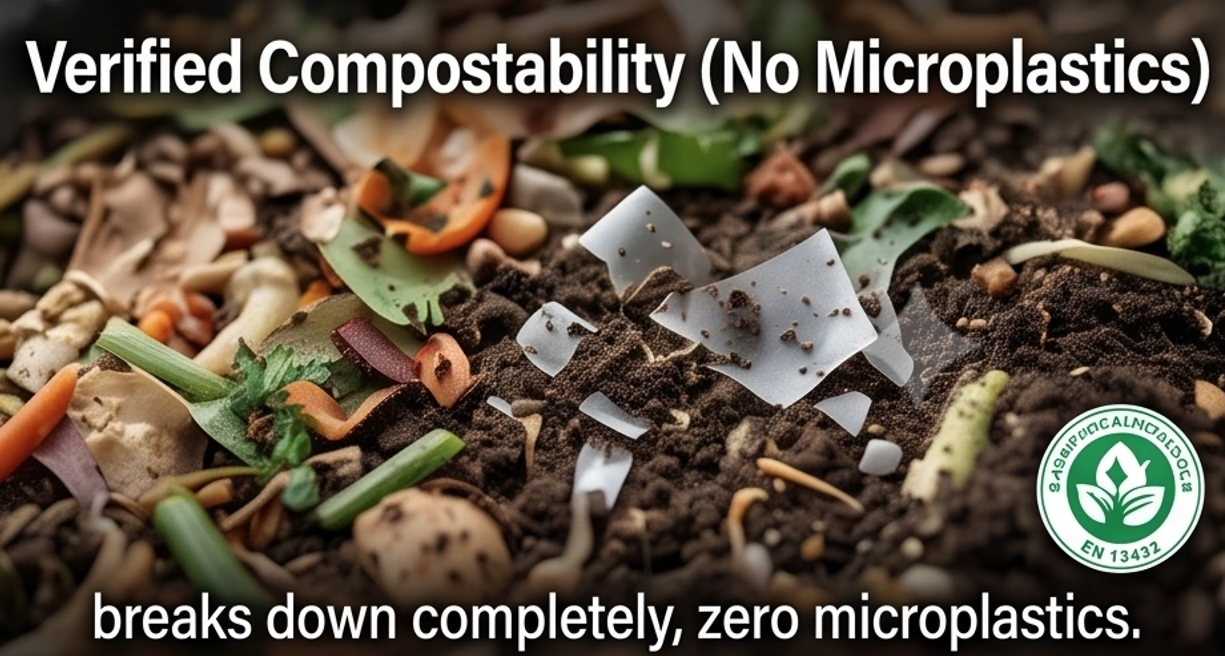
Our film meets global standards. Specifically, EN 13432 in Europe and ASTM D6400 in North America. These are rigorous certifications. They ensure the material breaks down completely. This breakdown occurs in industrial composting facilities. It converts into biomass, water, and CO2. Crucially, it leaves behind zero microplastics. This is verifiable environmental benefit, not just marketing speak. You can find detailed information on these standards through organizations like ASTM International.
ASTM D6400 standard outlines the requirements for the labeling of plastics designed to be aerobically composted in municipal or industrial facilities.
Why Go Direct to KEYFUL?
You might be tempted to source PLA-G through a local distributor. We get it. Convenience. Existing relationships.
But here’s the harsh reality: trading companies often mix batches. They consolidate inventory. This inconsistency is a killer for print converters. Different batches can have slightly different micron thicknesses. Different dyne levels. These variations throw off machine tension settings. They lead to increased web breaks. They cause quality issues. It’s a headache that costs time and money.
KEYFUL extrudes PLA-G in-house. We control the entire process. This guarantees absolute consistency. Every single roll. Exact micron thickness. Precise dyne levels. We deliver a predictable, high-performance material. This reliability translates to higher yields and smoother operations for your packaging converter. It means fewer headaches and more predictable costs for you.
The Future of Premium Sustainable Packaging is Glossy
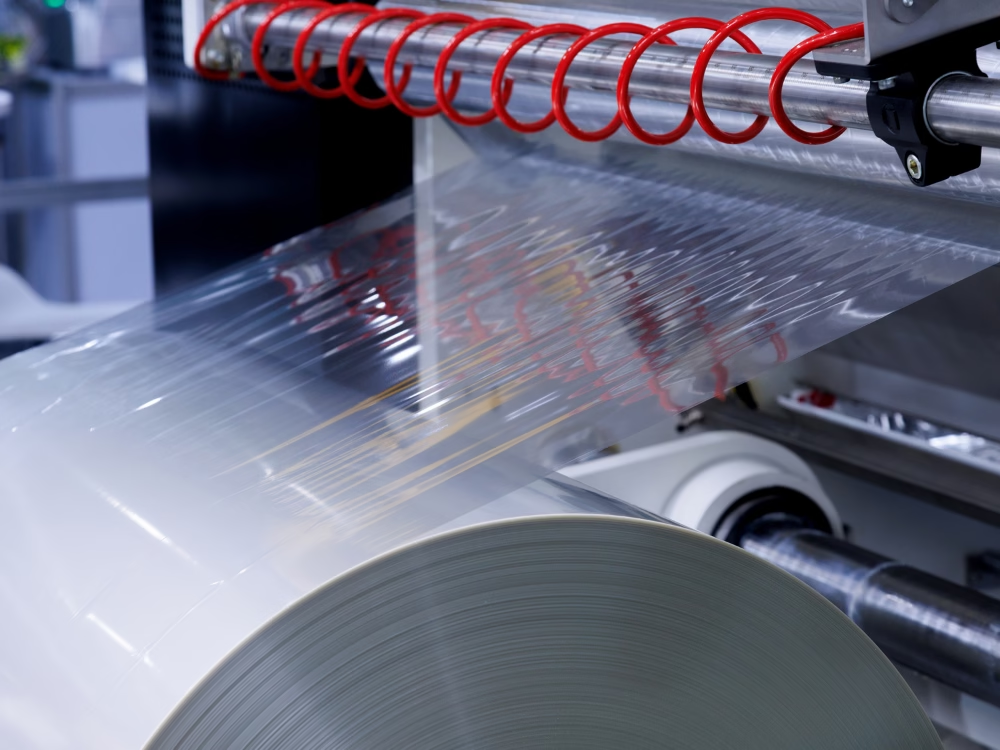
Brands can no longer afford to sacrifice shelf appeal for sustainability. The technology exists to have both. KEYFUL’s BOPLA Glossy Film offers the visual impact consumers expect, combined with genuine environmental credentials. It runs on existing machinery. It performs exceptionally with secondary finishes. It provides the premium look and feel essential for today’s competitive retail environment.
Stop letting outdated perceptions of ‘eco-packaging’ hold your brand back. It’s time to elevate your shelf appeal. Request a sample roll of KEYFUL PLA-G today. Test it on your own machines. See the difference for yourself.
FAQ
Will switching to BOPLA make my packaging look cloudy?
Absolutely not. KEYFUL PLA-G is engineered with a haze level under 2.5%. It provides the exact same glass-like optical clarity and high-gloss reflection as premium BOPP.
Does it require brand new laminating machinery?
No. It is a drop-in solution. Your printing partner simply runs it on their existing thermal or wet laminators. They just need to dial back the temperature slightly because PLA has a lower melting point than polypropylene.
How does BOPLA handle spot UV and hot foil stamping?
Flawlessly. The film’s surface tension is calibrated to extremely high dyne levels. Secondary finishes like UV varnishes and metallic foils adhere aggressively without peeling or flaking off the retail box.
Is it clear enough for carton window patching?
Yes. Consumers want to see the exact texture of the cosmetics or food inside the box. PLA-G provides distortion-free window patching that does not yellow or warp under store lighting.
Will this film shrink and curl my cardboard boxes after lamination?
No. The bi-axial orientation process (BOPLA) permanently stabilizes the polymer chains. Your luxury gift boxes remain perfectly flat during transit and on the shelf.
Is this actually compostable, or is it a marketing trick?
It is strictly verified. KEYFUL PLA-G meets global EN 13432 and ASTM D6400 standards. It breaks down completely into biomass and water in industrial composting facilities. Zero microplastics.
Why source directly from KEYFUL Group instead of a local packaging distributor?
Consistency and yield. Trading companies mix batches, which ruins machine tension settings at the print house. We extrude PLA-G in-house, guaranteeing exact micron thickness and dyne levels on every single roll.