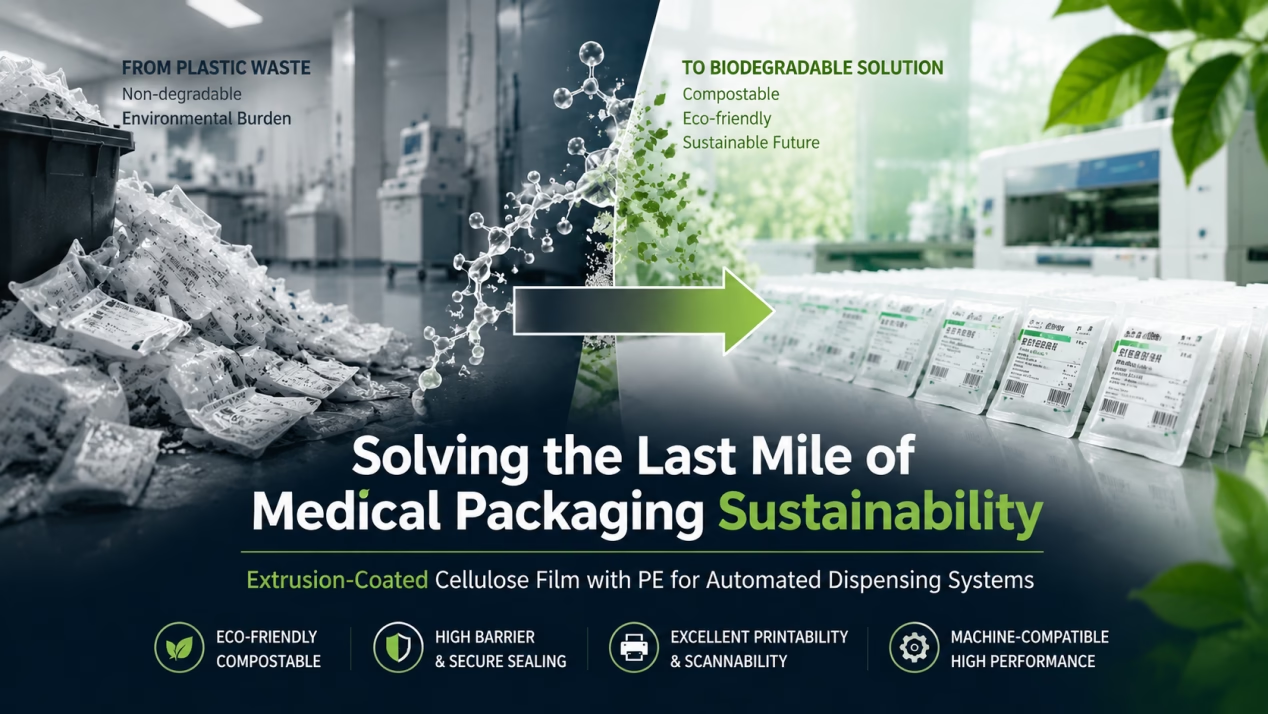
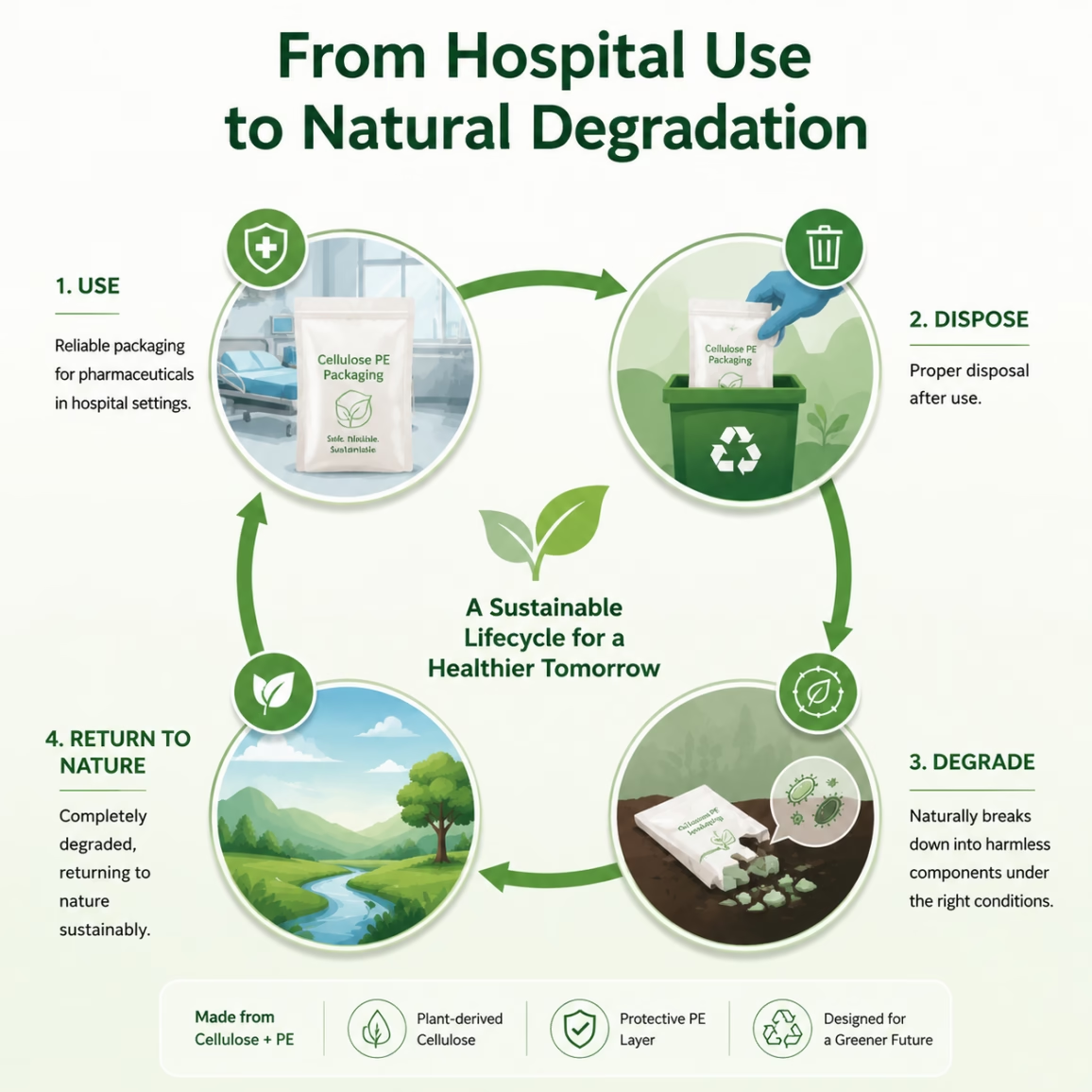
In recent years, a new type of biodegradable material has been quietly transforming the environmental upgrading process in hospitals.
When people are hospitalized or visiting medical institutions, they inevitably come into contact with various types of prescription medications. In particular, during hospitalization, nurses distribute medicines multiple times a day, and these drugs are often accompanied by barcode labels and patient information.
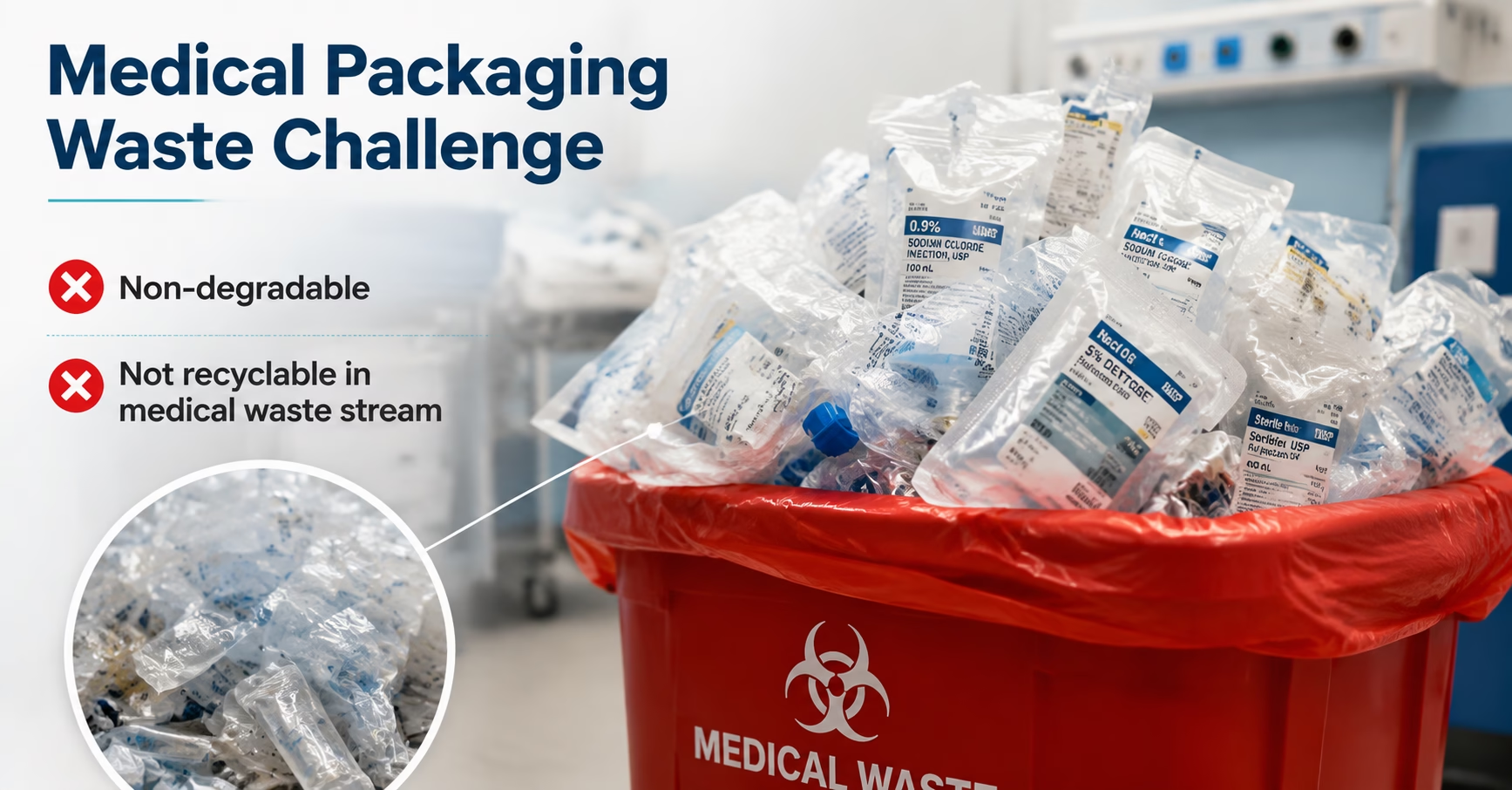
While these packaging systems play a critical role in ensuring medication safety, they also create a pressing issue: once the medicine has been taken, the remaining packaging waste is usually discarded as general waste.
Most of these materials are neither biodegradable nor included in medical waste recycling streams. As a result, the daily accumulation of such “mountain-like” pharmaceutical packaging waste has become a significant environmental challenge for hospitals.
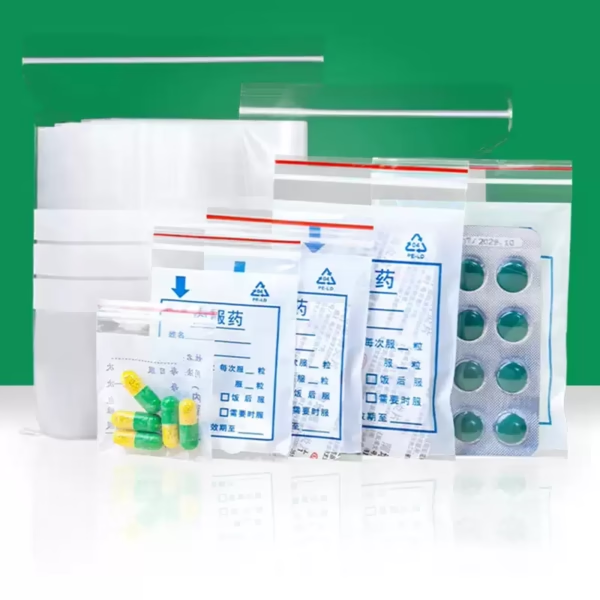
In the past, automated pharmacy dispensing machines in hospitals primarily used PET/PE composite films for packaging.
Finding an alternative material that can retain the excellent easy-tear performance of PET films, while also being biodegradable and offering superior printability, has become a key focus in the industry.
In response to this challenge, Keyful conducted extensive testing and comparative evaluation of various biodegradable materials, ultimately identifying cellulose film as the optimal solution.
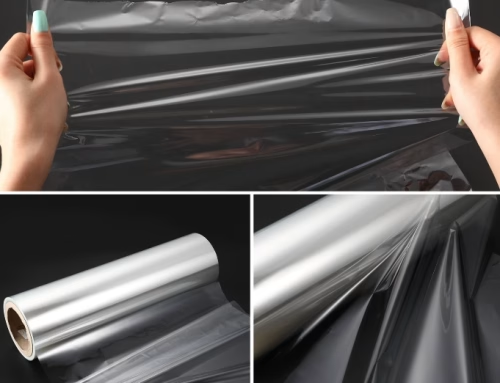
This material, derived from regenerated wood pulp, not only possesses inherent environmental advantages, but also delivers outstanding easy-tear performance and excellent printing adaptability, perfectly meeting the stringent requirements of fully automated pharmaceutical dispensing packaging systems.
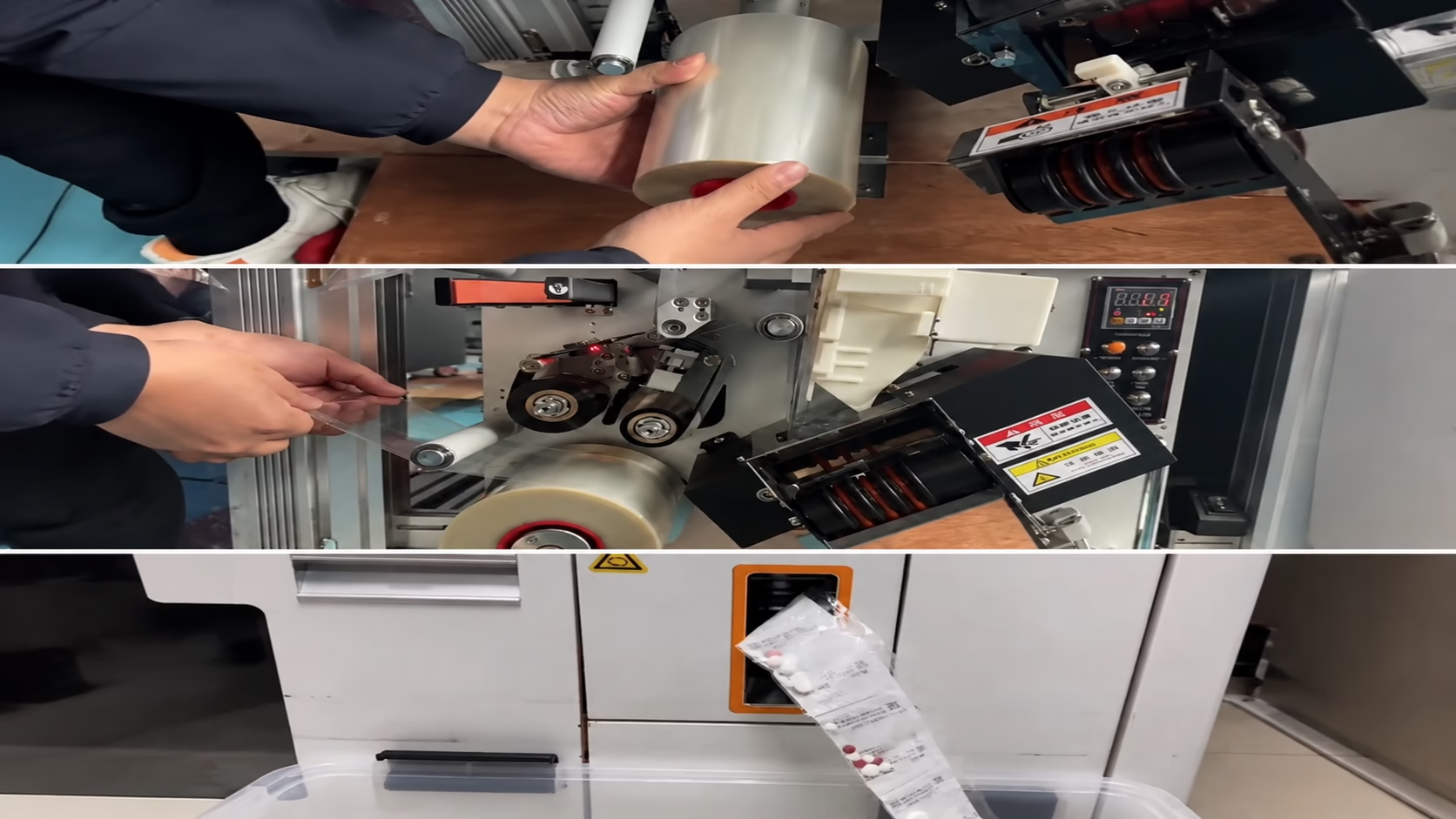
Ensuring that cellulose film with PE extrusion coating can be compatible with different models of automated pharmaceutical dispensing machines has become a key technical challenge for Keyful’s R&D team.
Due to the inherent brittleness of cellulose film and the tendency for thickness variation during production, the material does not naturally perform well in downstream processes such as printing and folding.
To address these challenges, we carried out targeted adjustments and modifications to the production equipment and process conditions, successfully increasing the yield rate from 50% to 95%.
At present, our product not only achieves smooth and aesthetically clean edge finishing, but also supports multiple winding formats, including single-layer winding and folded winding.
As a result, it is fully compatible with dispensing machines across different brands, maintaining excellent and stable performance in key processes such as pouch forming, heat sealing, information printing, and cutting.
Cellulose film with PE extrusion coating is an ideal packaging material for automated pharmaceutical dispensing systems in medical environments. It enables each dose of medication to be precisely sealed into individual single-use sachets, improving hospital medication efficiency while supporting a greener transition.
Core advantages of cellulose film with PE extrusion coating:
- Environmentally friendly and biodegradable:Effectively addresses the difficulty of recycling traditional plastic packaging in hospitals. Made from compostable and eco-friendly materials, helping hospitals reduce plastic usage and achieve sustainability targets.
- Excellent barrier and sealing performance: Provides outstanding protection against moisture and dust. With superior heat-sealing performance, it ensures strong, airtight closure, effectively preventing powder leakage and guaranteeing medication safety.
- Medical-grade safety compliance:The material meets strict pharmaceutical packaging hygiene standards with no solvent residue, ensuring patient medication safety.
Clear and durable information printing: Excellent printability ensures that barcodes and patient information remain clear and abrasion-resistant, enabling reliable automated scanning and verification.
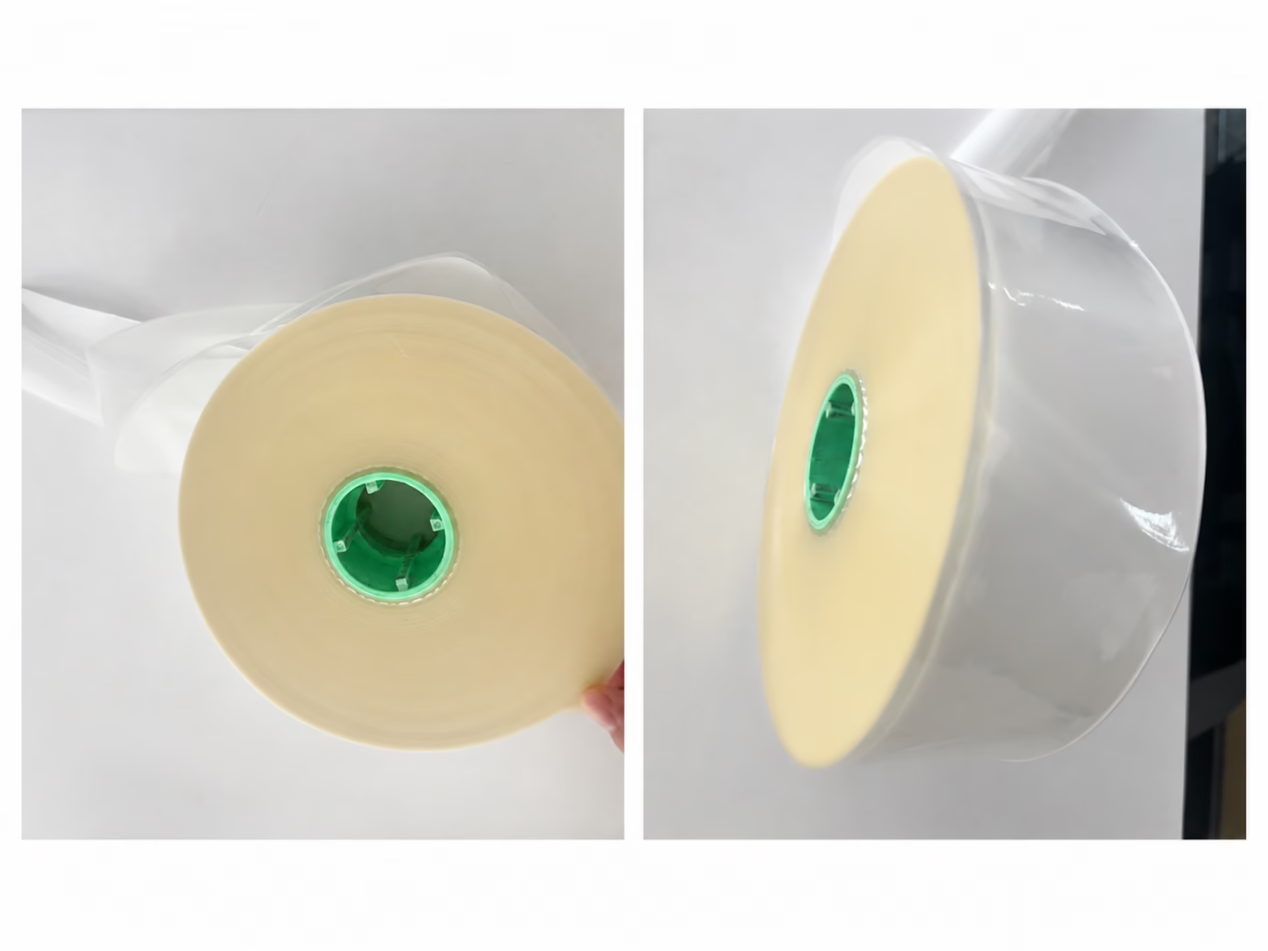
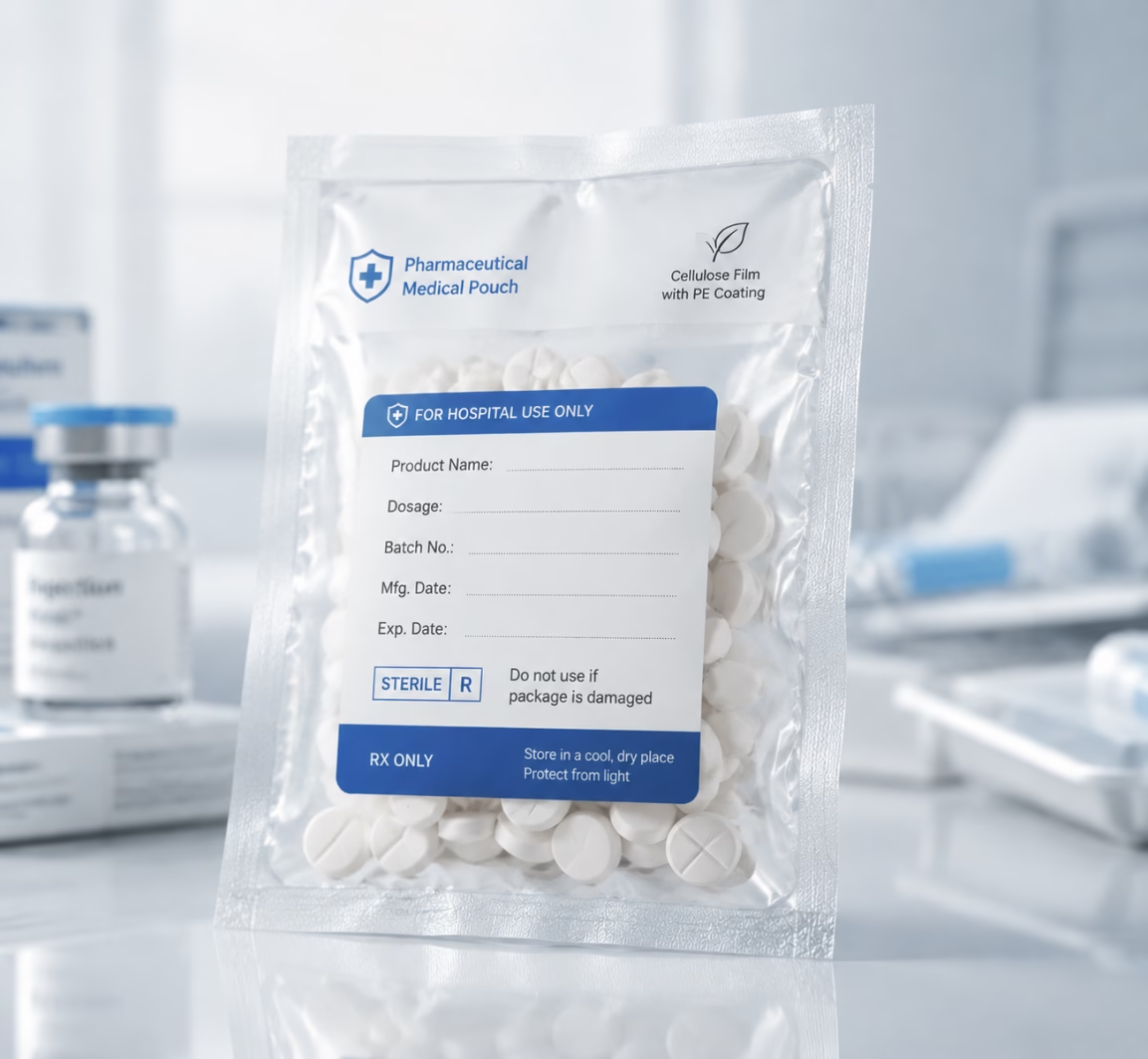
Medical-grade cellulose film with PE extrusion coating rolls is an essential eco-friendly packaging solution for hospital automated dispensing systems.
If you are looking for an efficient, compliant, and biodegradable medical packaging solution, we welcome you to contact us at any time to jointly promote the green transformation of the healthcare industry.
FAQ
What environmental problem does this packaging solve for hospitals?
Traditional automated pharmacy dispensing machines rely heavily on PET/PE composite films. Because these materials are non-biodegradable and generally excluded from medical waste recycling streams, they create a massive daily accumulation of general waste. Cellulose film solves this by replacing single-use plastics with a fully biodegradable and compostable alternative.
Why is cellulose chosen over other biodegradable materials?
After extensive testing, cellulose—derived from regenerated wood pulp—was identified as the optimal solution because it perfectly mimics the functional benefits of traditional plastics. It maintains the critical easy-tear performance required by nurses and patients, while offering superior printability for automated systems.
How does Keyful ensure the film works smoothly with existing hospital dispensing machines?
Cellulose is naturally brittle and prone to thickness variations, which traditionally causes issues in folding and printing. Keyful modified production equipment and processing conditions to overcome these traits, boosting the yield rate from 50% to 95%. The resulting film features smooth, clean edges and supports single-layer and folded winding formats, making it fully compatible with various brands of dispensing machines.
Does this eco-friendly material compromise medication safety or hygiene?
No. The cellulose film with PE extrusion coating meets strict medical-grade safety and hygiene standards with absolutely zero solvent residue. It offers exceptional barrier properties against moisture and dust, ensuring the medication remains uncontaminated.
Will the automated sealing process cause medication powder to leak?
The film is engineered for excellent heat-sealing performance. It creates a strong, airtight closure during the automated pouch-forming process, effectively preventing any powder leakage and ensuring precise dosing for every patient.
Can the film reliably support the printing of patient barcodes?
Yes. Accurate information tracking is critical in hospitals. This cellulose film offers excellent printing adaptability, ensuring that barcodes, patient data, and dosage instructions are printed clearly and remain abrasion-resistant. This guarantees reliable automated scanning and verification.
What is the core value this product brings to the healthcare supply chain?
It bridges the gap between operational efficiency and sustainability. By offering a “drop-in” biodegradable replacement that maintains excellent forming, sealing, and printing stability, hospitals can hit their plastic-reduction and sustainability targets without sacrificing the safety or speed of their automated medication distribution systems.