Choosing Lamination Films for Book Publishing and Catalog Printing
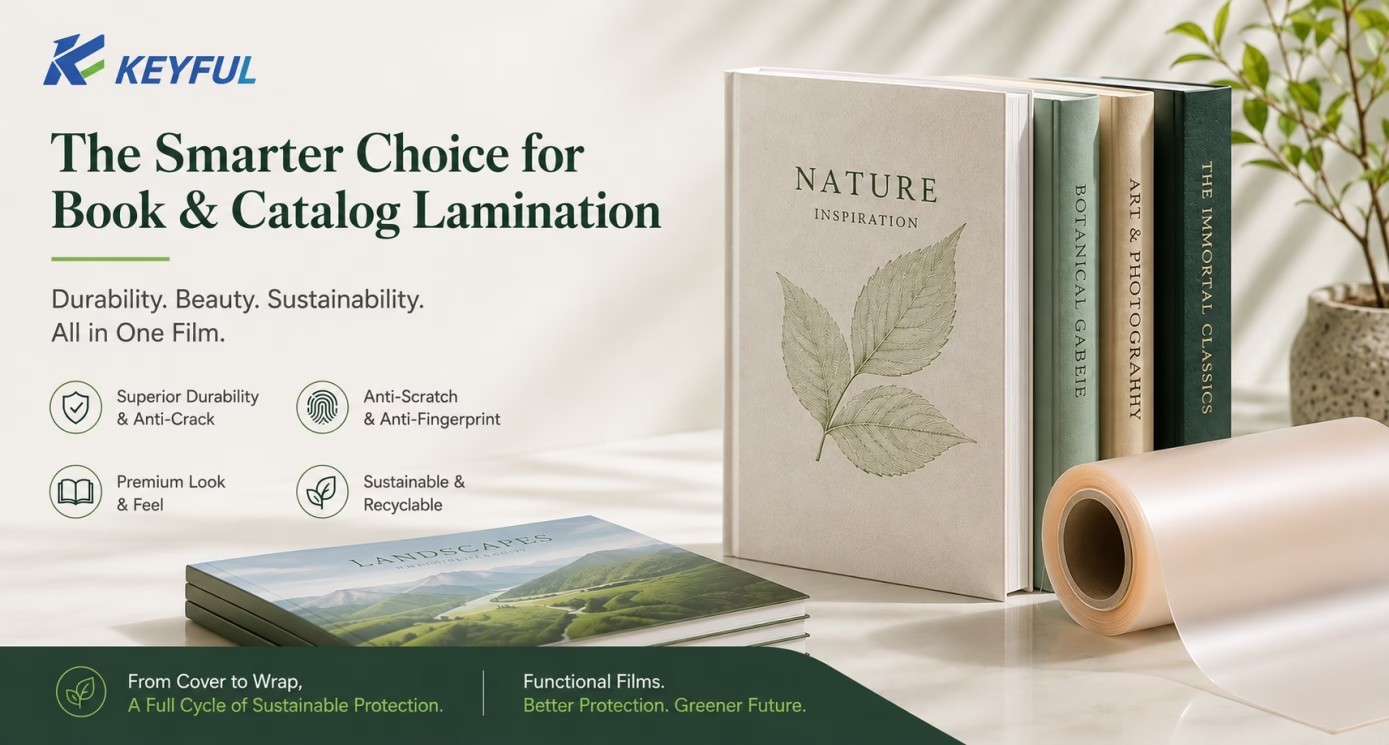
A book’s cover often directly determines its market performance, while the lamination process determines whether that cover can maintain its quality through years of display and use. For book publishers, commercial printers, and educational publishing institutions, the durability of books is of critical importance.
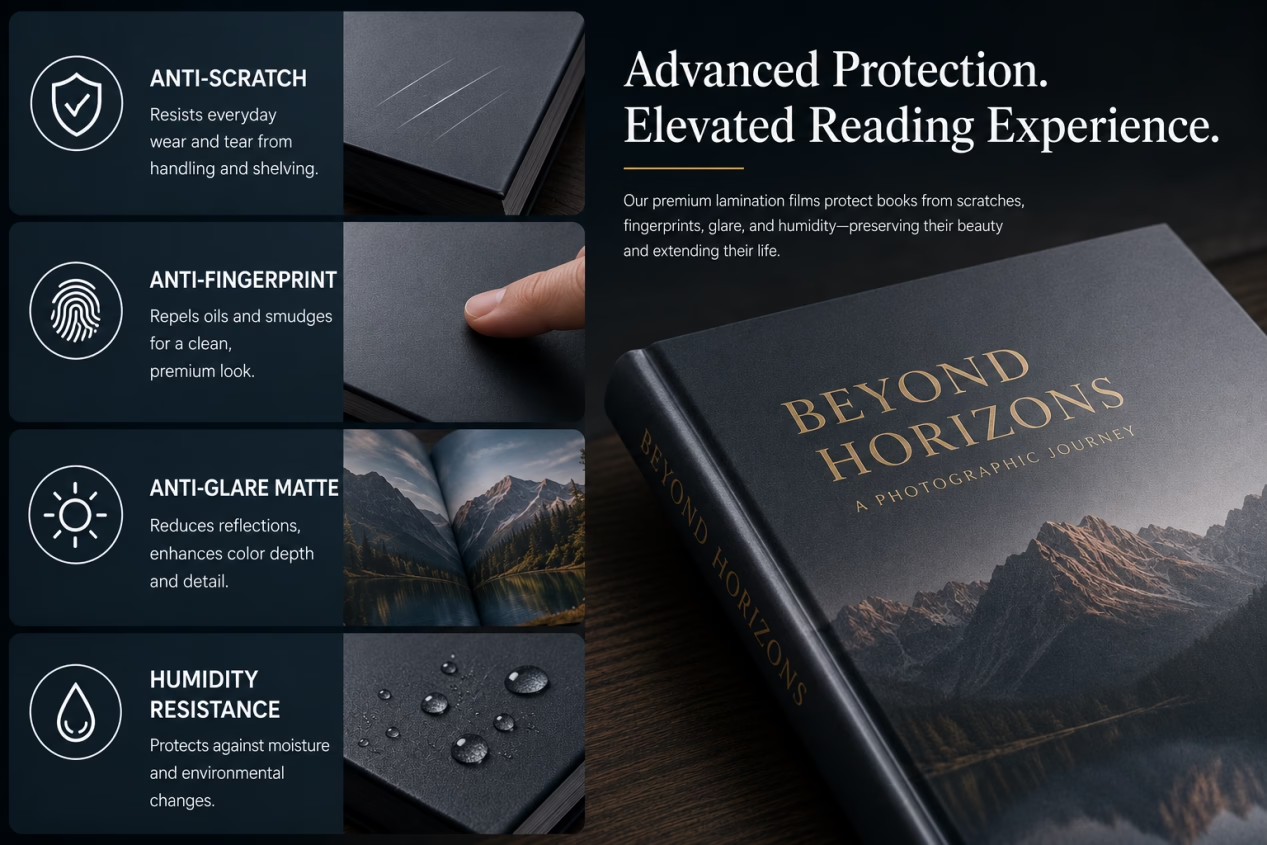
From the moment a new book is placed on the shelf until it is purchased by a reader, it is continuously exposed to mechanical abrasion, oils from human hands, and environmental humidity. Therefore, high-frequency-use publications such as children’s books, textbooks, and educational materials are typically laminated with gloss or matte films. Meanwhile, premium publications often incorporate functional films, such as anti-scratch and anti-fingerprint films, to further enhance their quality. In particular, art books and high-end photography collections frequently use anti-glare matte films, which not only eliminate distracting reflections but also bring out greater depth in color layers, creating a more sophisticated visual appearance.
Sustainable Innovation: Overcoming the Limitations of Specialty Paper
Faced with these diverse requirements for both protection and aesthetics, what is the optimal lamination material? Keyful provides an innovative solution.
As sustainability becomes a global priority, many customers have chosen specialty paper for book covers. However, specialty paper still cannot overcome its inherent limitations of lacking water and oil resistance. The question then becomes: how can printed materials remain 100% recyclable or biodegradable while retaining the protective performance provided by lamination?
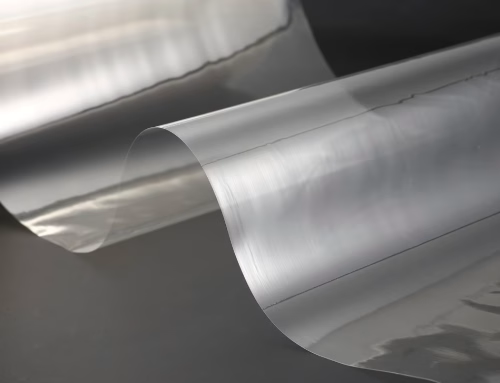
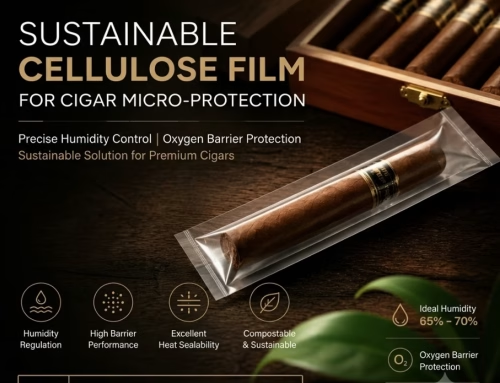
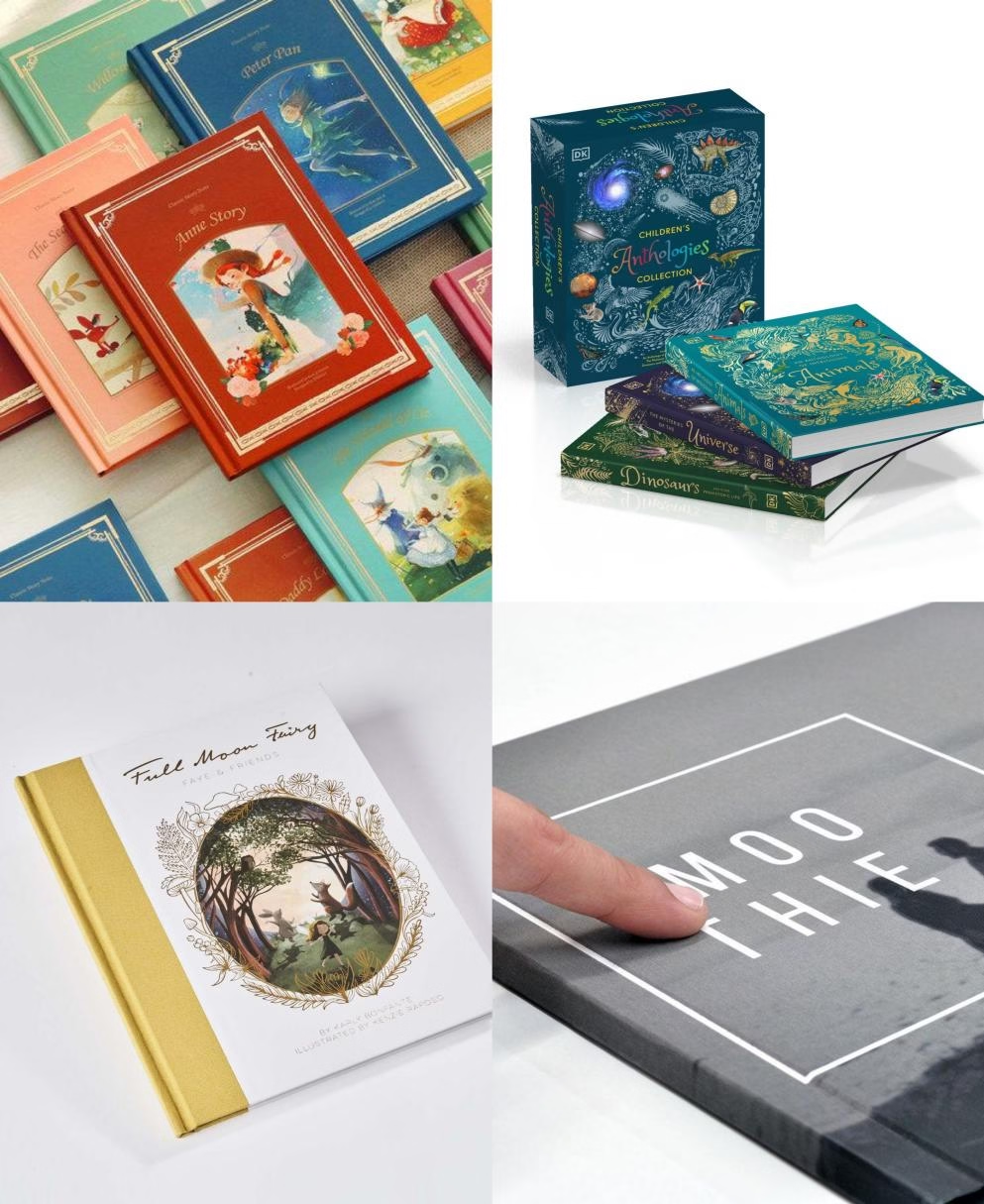
Keyful advocates the use of cellulose film to overcome this challenge. Derived from natural wood pulp, cellulose film offers excellent biodegradability and can be directly recycled together with paper through the same pulping process. In terms of performance, Keyful’s cellulose films are available in both high-gloss and premium matte finishes, while also providing advanced functionalities such as anti-scratch and anti-fingerprint properties. For children’s books and educational picture books, customized cellulose holographic films are also available, delivering rich visual effects while offering excellent abrasion resistance and wipe-clean performance, achieving a perfect balance between environmental sustainability and premium finishing quality.
Core Values of Keyful’s Book Lamination Technology
Whether for art books, premium commercial proposals, high-quality educational textbooks, or personal book collections, Keyful’s high-performance films add the following core values to your book covers through exceptional lamination technology:
- Outstanding page-turn durability and spine crack resistance: The spine and flaps are the areas subjected to the greatest stress each time a book is opened and closed. Keyful films offer excellent flexibility and adhesive bonding strength, effectively preventing cover creasing and spine cracking caused by repeated page turning, ensuring that the book spine remains smooth and well-shaped over time.
- Superior anti-scratch and anti-stain protection: To withstand physical abrasion during bookshelf display and fingerprints left by readers during handling, the specialized anti-scratch coating provides excellent resistance against scratches from hard objects while reducing fingerprint residue, allowing books to maintain the clean, premium appearance of a new copy even after prolonged circulation.
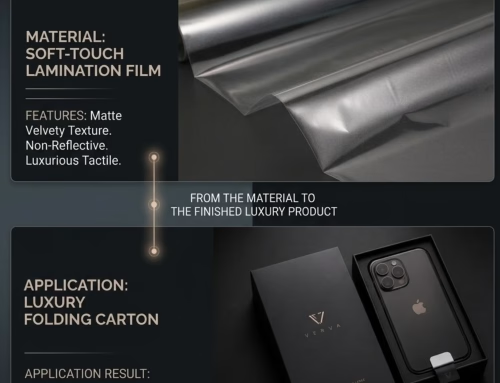
- An exceptional tactile reading experience: A wide range of finishes is available, including Ultra-Matte Film and Soft-Touch Film. Their delicate, smooth texture eliminates the cold, plastic feel associated with conventional films, making every touch a pleasure while significantly enhancing the book’s premium character.
- High-fidelity color reproduction: Excellent light transmittance ensures that the original colors and paper texture of the printed design are faithfully preserved. Whether showcasing the rich tones of fine art photography or complementing post-print finishing techniques such as foil stamping and embossing, the laminated surface enhances visual depth and dimensionality, delivering a more refined presentation.
Closing the Loop: Sustainable Distribution Packaging
At Keyful, our commitment goes beyond providing outstanding biodegradable cover lamination solutions for publishers, printers, and educational institutions. We are equally dedicated to extending sustainable practices to every aspect of packaging.
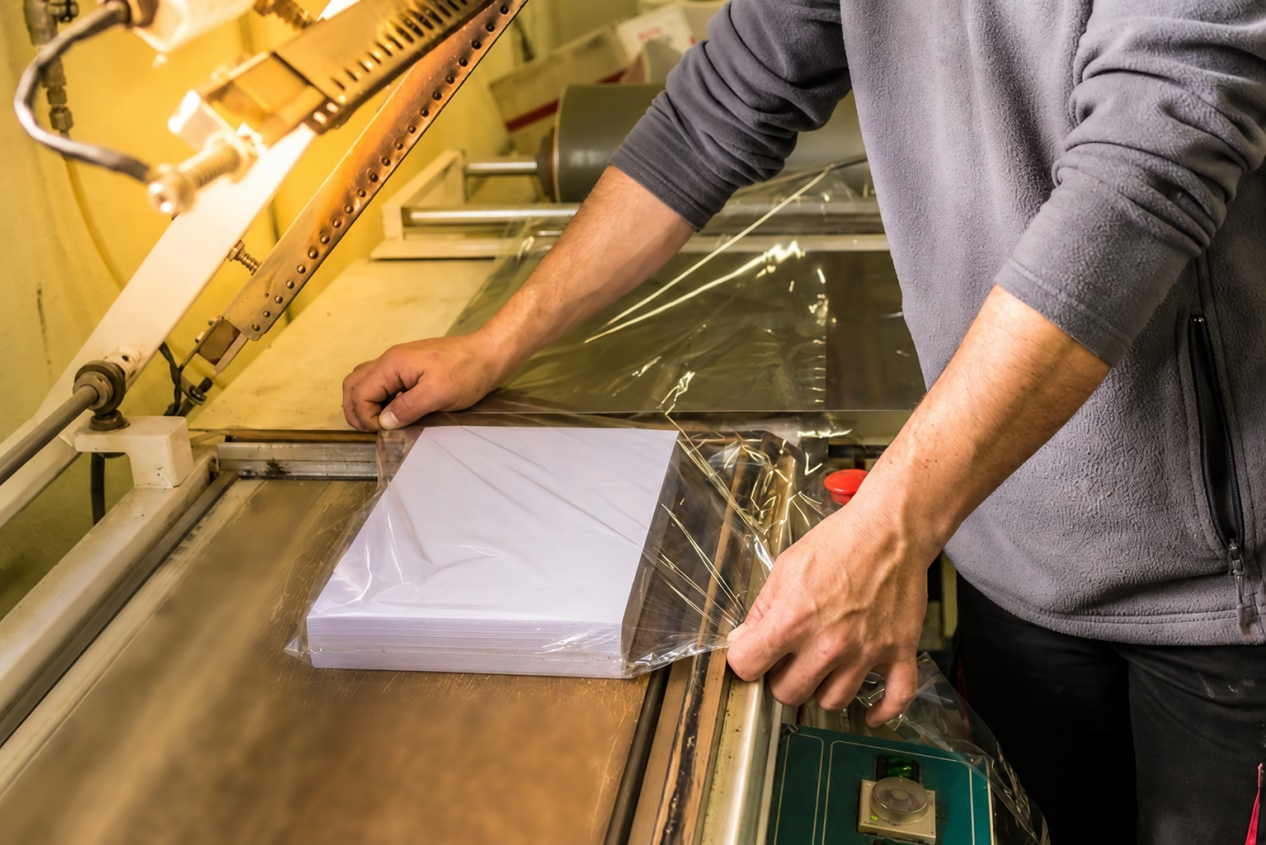
We have given even greater thought to the challenges of protecting new books throughout distribution and retail display: how can books remain in perfect condition, regardless of the transportation and storage environments they encounter before reaching readers? To address this need, Keyful has introduced biodegradable shrink film as an alternative to conventional plastic overwrap. It not only provides comprehensive protection against dust and moisture before books are sold, ensuring they arrive in pristine condition, but also completes a fully sustainable packaging solution—from cover lamination to outer bundling—creating a truly end-to-end green packaging cycle.
Partner with Keyful to scale up sustainable book production without compromising the durability of your book covers.
FAQ
Why is book cover lamination critical for publishers and commercial printers?
It protects books against mechanical abrasion, human oils, and humidity during retail display and heavy usage, ensuring the cover maintains its quality over years of handling.
Can eco-friendly specialty papers be effectively laminated without losing sustainability?
Yes. While specialty paper lacks inherent water and oil resistance, Keyful’s cellulose film enables the printed cover to remain biodegradable and recyclable alongside paper while retaining top-tier protection.
What is cellulose film made of, and how does it affect recycling?
Cellulose film is derived from natural wood pulp. It offers exceptional biodegradability and can be directly recycled together with paper through the standard pulping process.
How do Keyful films prevent spine cracking and cover creasing from frequent page turns?
Keyful films offer excellent flexibility and high adhesive bonding strength, protecting the stress-heavy spine and flap areas to keep the book structure smooth and intact over time.
What special visual and tactile effects are available for premium or children’s books?
Options include high-gloss finishes, ultra-matte and soft-touch textures for a premium feel, anti-scratch/anti-fingerprint coatings, and customized holographic cellulose films for children’s books.
How does lamination affect the color fidelity of fine art photography and design prints?
Keyful’s films feature excellent light transmittance that faithfully preserves original colors, enhancing visual depth, dimensionality, and compatibility with foil stamping or embossing.
How does Keyful extend sustainability beyond the book cover into distribution?
Keyful offers biodegradable shrink film as an eco-friendly alternative to conventional plastic overwrap, protecting books from dust and moisture during transport to create an end-to-end green packaging cycle.