Application of Cellulose Double-Side Heat-Sealable Film in Mono-Material Bag Production
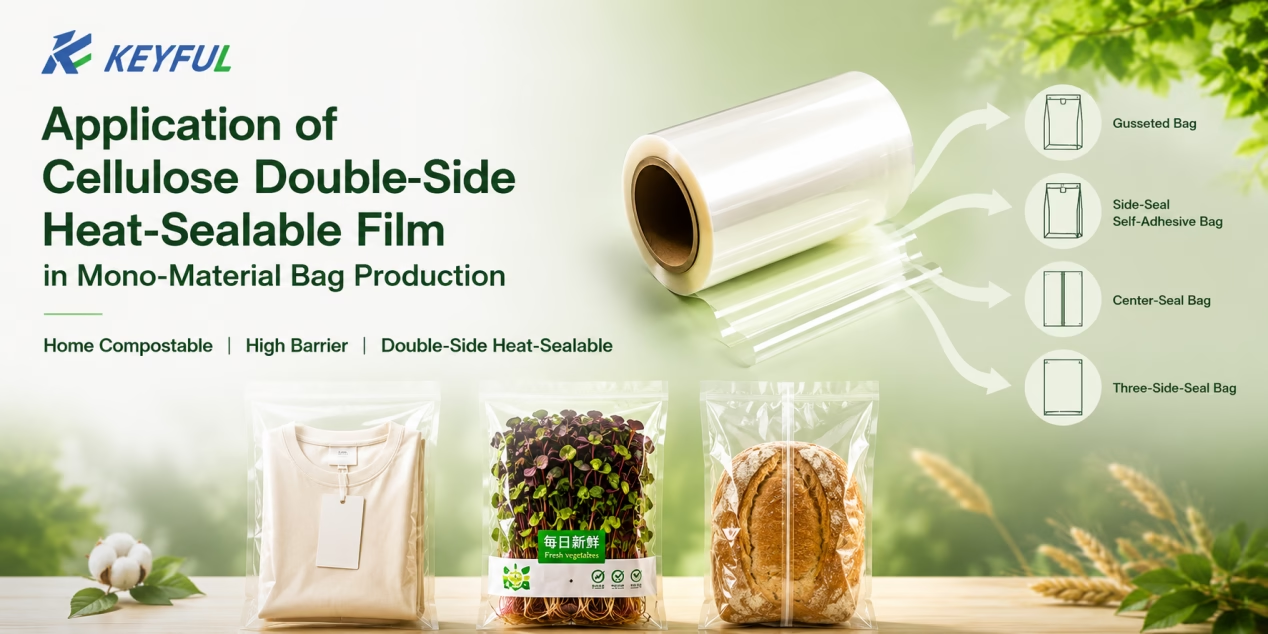
On the path toward sustainable packaging, brands often face a dilemma: compromise on packaging aesthetics and preservation performance, or bear the environmental burden of plastic. With the global demand for mono-material solutions surging, the industry is urgently seeking a breakthrough that delivers both high-performance barrier properties and complete home compostability.
In response to this industry challenge, Keyful has introduced an innovative material engineered to deliver both functionality and sustainability: Cellulose Double-Side Heat-Sealable Film.
Keyful’s Cellulose Double-Side Heat-Sealable Film is an innovative material specifically developed for mono-material pouch and bag-making applications. The structure is based on a renewable cellulose substrate, coated on both sides with specially engineered heat-sealable and barrier layers through a precision coating process.
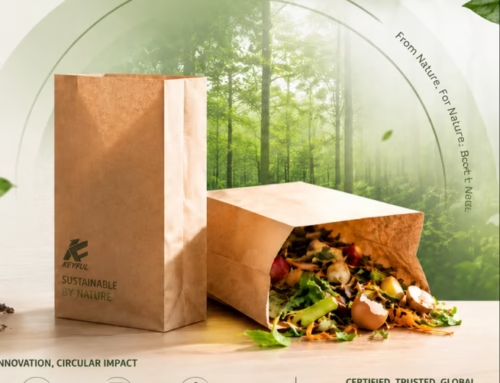
The film combines excellent heat-sealing performance with outstanding transparency, while also delivering full home-compostable end-of-life functionality. Under natural soil conditions, where microorganisms, moisture, and environmental factors work together, the material can fully biodegrade into carbon dioxide and water. These natural by-products contribute to soil health and are subsequently reabsorbed by plants through the natural carbon cycle, enabling a truly circular packaging solution.
Within the global converting and bag-making industry, this material is commonly referred to as Cellulose Bag Film, Cellophane Bag Film, or Cellulose Seal Film.
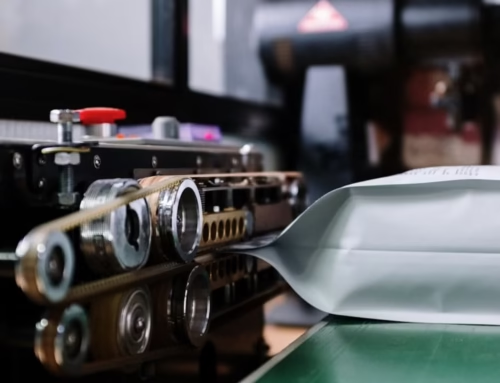
Beyond its complete home-compostable performance, this film offers outstanding production compatibility. Designed as a drop-in solution, it runs efficiently on conventional bag-making equipment without requiring machine upgrades or process modifications.
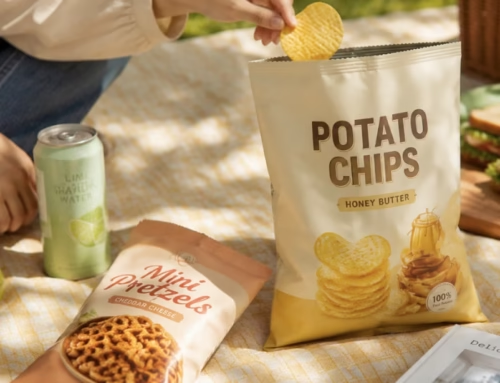
From side-seal bags and three-side-seal pouches to center-seal bags, gusseted bags, and self-adhesive bags, manufacturers can seamlessly switch to cellulose-based packaging while maintaining existing production efficiency and product quality.
For optimal processing performance, the following technical recommendations should be taken into consideration:
- Sealing Method:
As the film achieves its heat-sealability through a functional coating technology, it is not suitable for hot-cut sealing processes. Consequently, a visible heat-seal area will remain on the finished bag. To ensure reliable seal integrity and package performance, a heat-seal width of at least 5 mm is recommended during bag production.
- Heat-Sealing Parameters:
A sealing temperature range of 130°C to 170°C is recommended for bag-making operations. The optimal temperature may vary depending on machine speed, dwell time, and production conditions. Fine-tuning the sealing temperature according to line speed is recommended to achieve the best possible seal strength and production efficiency.
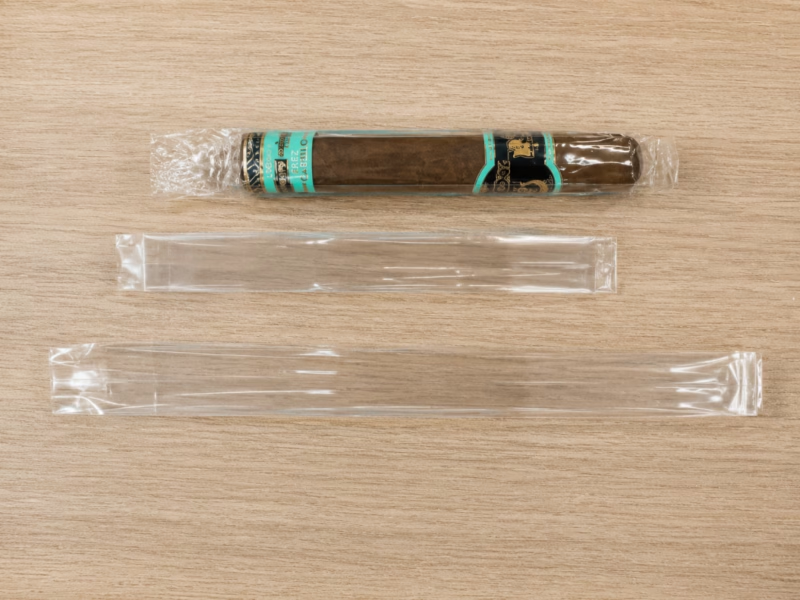
(Gusseted Bag)
-1024x768.avif)
(Side-Seal Self-Adhesive Bag)
.avif)
(Center-Seal Bag)
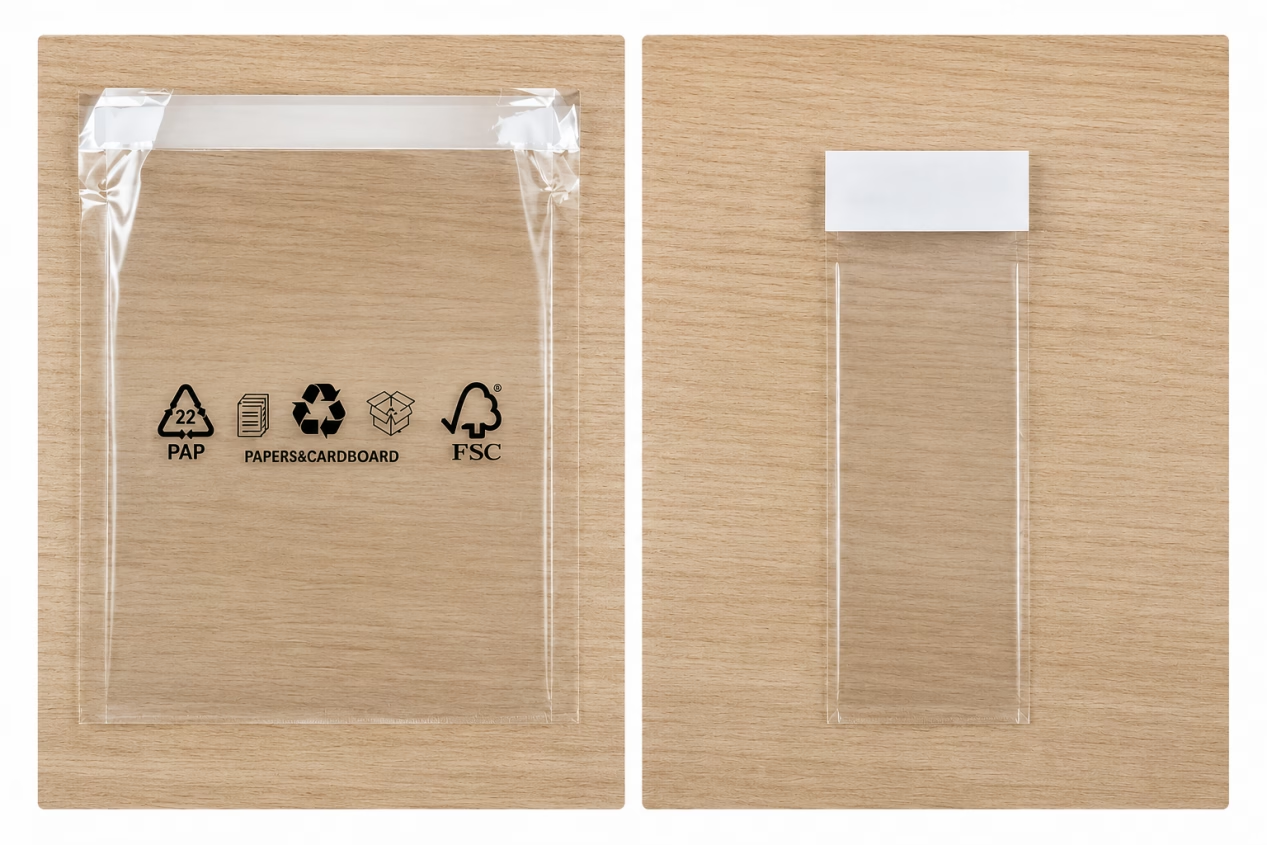
(Three-Side-Seal Bag)
When discussing heat-seal performance, it is important to provide an objective comparison. Conventional polyethylene (PE) films can achieve exceptionally high seal strength through thermal fusion at elevated temperatures. However, their non-biodegradable nature and relatively limited barrier performance are increasingly misaligned with today’s sustainability goals.
What makes Keyful’s Cellulose Double-Side Heat-Sealable Film unique is its ability to strike an optimal balance between environmental responsibility, product protection, and shelf-life performance.
- Outstanding Barrier Performance
The film delivers excellent barrier properties, particularly in oxygen and moisture protection, helping to preserve product quality and extend shelf life across a wide range of applications, including fresh produce, apparel, and other moisture-sensitive products.
- Quantified Performance Metrics
The material achieves an Oxygen Transmission Rate (OTR) below 3 cc/m²/day and a Water Vapor Transmission Rate (WVTR) below 16 g/m²/day, meeting the performance requirements typically associated with high-barrier packaging solutions.
- Balancing Sustainability and Functionality
While ensuring full home compostability and seamless integration into the natural carbon cycle, the film also provides the functional protection required for real-world packaging applications. Through advanced coating technology, Keyful delivers a packaging solution that combines environmental responsibility with reliable product performance, enabling brands to reduce their environmental footprint without compromising packaging effectiveness.
To address the limitation of traditionally restricted heat-seal strength in cellulose substrates, Keyful has achieved a key technological breakthrough. We have independently developed a proprietary water-based environmentally friendly coating technology, successfully increasing the heat-seal strength from the conventional 2N to 6N. This technology is currently at a leading level in the cellulose bag-making field and has been specifically developed for applications that require higher packaging load-bearing capacity and seal stability.
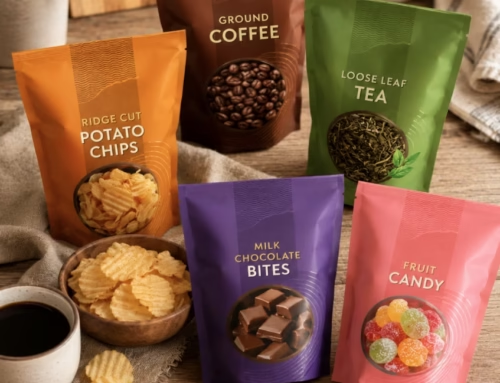
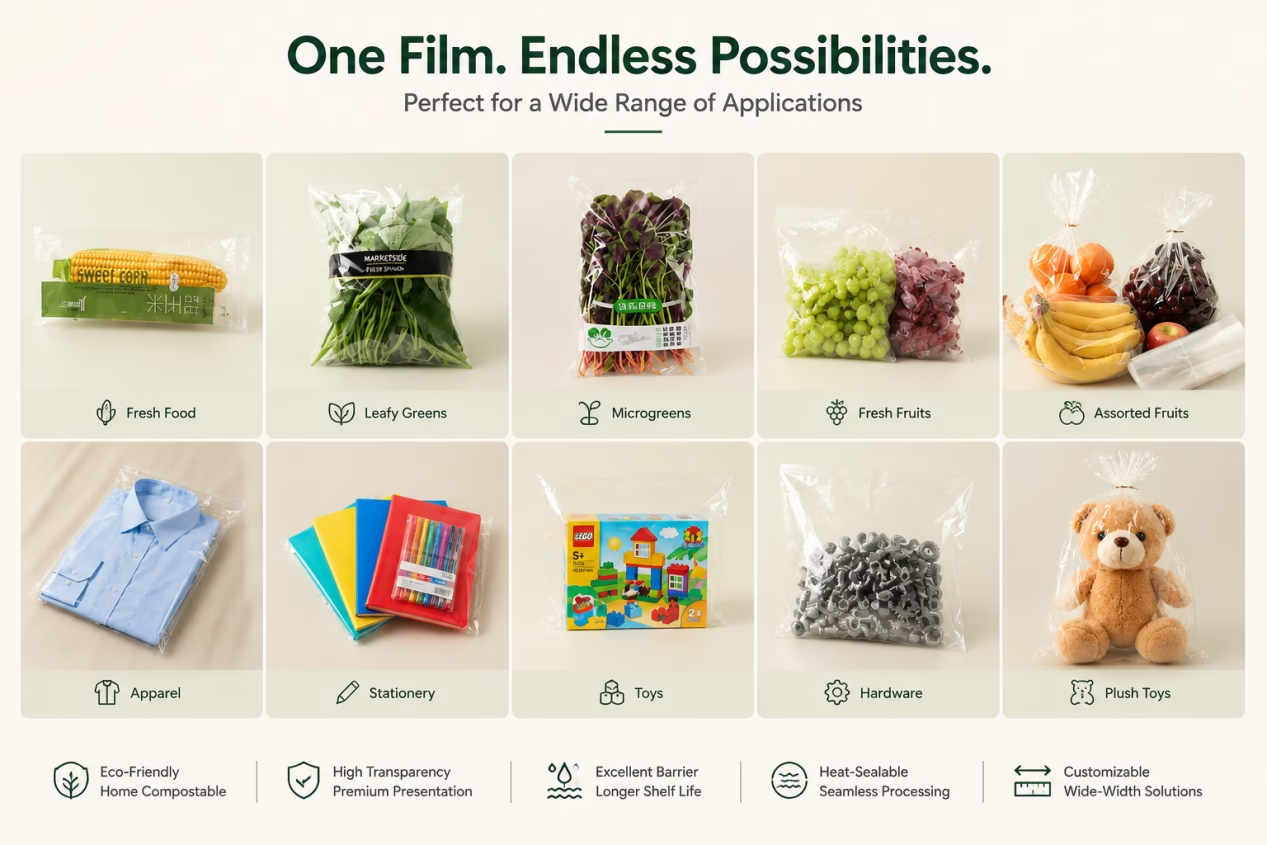
To meet the diverse needs of different industries, we offer four film thickness options: 22μm, 30μm, 35μm, and 40μm, while also supporting fully customized wide-width solutions. Whether you are engaged in lightweight snack packaging, industrial packaging for toys, metal products, or apparel that requires enhanced stability, or in the fresh produce sector with strict preservation requirements, Keyful’s High-Transparency Cellulose Barrier Heat-Sealable Film provides precise, tailor-made solutions to help your products stand out in the end market.
FAQ
Q1: What is Cellulose Double-Side Heat-Sealable Film?
A: It is an innovative packaging material specifically developed for mono-material pouch and bag-making applications. The structure consists of a renewable cellulose substrate that is coated on both sides with specially engineered heat-sealable and barrier layers using a precision coating process.
Q2: Is the Cellulose Bag Film fully compostable?
A: Yes, the film delivers full home-compostable end-of-life functionality. When placed in natural soil conditions where environmental factors, moisture, and microorganisms interact, the material completely biodegrades into water and carbon dioxide. These by-products are reabsorbed by plants through the natural carbon cycle, making it a truly circular packaging solution.
Q3: Does transitioning to this film require machinery upgrades?
A: No machine upgrades or process modifications are required. The film is engineered as a drop-in solution that runs highly efficiently on conventional bag-making equipment. This allows manufacturers to seamlessly switch to cellulose-based packaging while preserving their existing product quality and production efficiency.
Q4: What types of bags can be produced using Cellulose Seal Film?
A: The material is highly versatile and can be used to manufacture a wide variety of formats, including three-side-seal pouches, side-seal bags, center-seal bags, gusseted bags, and self-adhesive bags.
Q5: What are the recommended heat-sealing parameters for optimal bag production?
A: A sealing temperature range of 130°C to 170°C is recommended, though fine-tuning based on line speed, dwell time, and production conditions is advised for optimal efficiency. It is important to note that hot-cut sealing processes are not suitable for this functional coating technology. To ensure reliable package performance and seal integrity, a minimum heat-seal width of 5 mm is recommended.
Q6: What are the specific barrier properties of the film?
A: The film offers exceptional barrier performance, specifically designed to protect against moisture and oxygen. It achieves an Oxygen Transmission Rate (OTR) of less than 3 cc/m²/day and a Water Vapor Transmission Rate (WVTR) below 16 g/m²/day. This makes it an ideal solution for extending the shelf life of fresh produce, apparel, and other moisture-sensitive products.
Q7: How strong is the heat seal compared to traditional cellulose films?
A: While conventional cellulose substrates typically have a limited heat-seal strength of 2N, Keyful has utilized a proprietary water-based environmentally friendly coating technology to increase the heat-seal strength to 6N. This breakthrough provides the higher packaging load-bearing capacity and seal stability required for demanding applications.
Q8: What thicknesses and dimensions are available?
A: To accommodate diverse industry needs—from lightweight snack packaging to industrial packaging for toys or metal products—the film is offered in four standard thicknesses: 22μm, 30μm, 35μm, and 40μm. Additionally, fully customized wide-width solutions are available to meet specific tailor-made requirements.