The Plastic Reduction Transformation in the Consumer Electronics Industry: Applications and Trends of High-Performance Biodegradable Protective Films
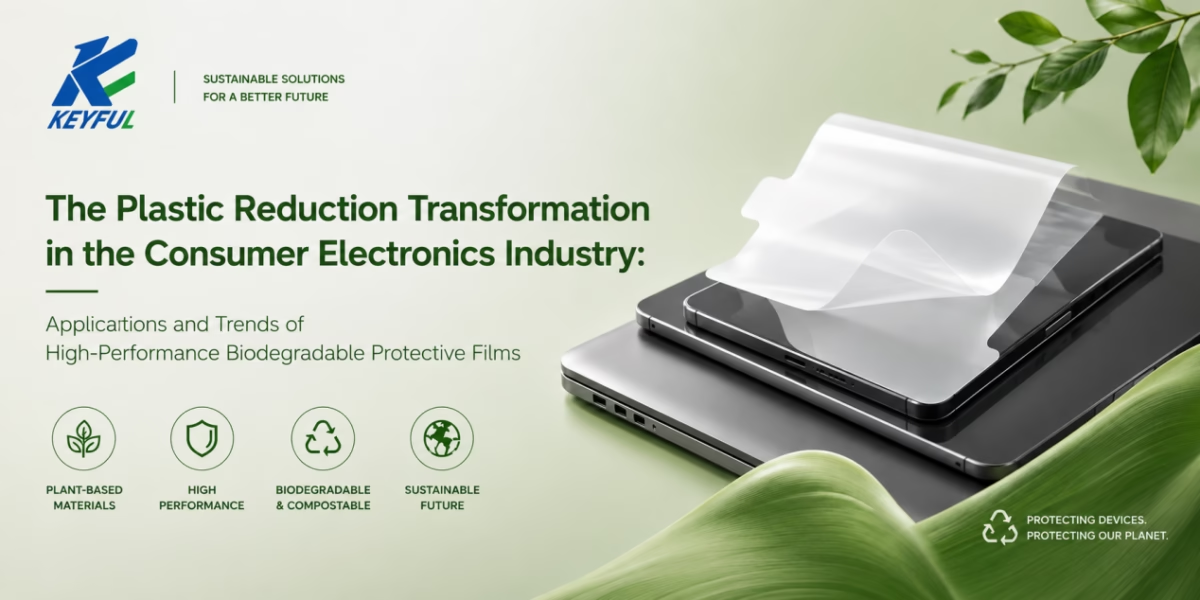
With consumer electronics giants such as Apple and Samsung accelerating their ESG strategies, the gradual phase-out of single-use plastic packaging has become a central focus in the transformation of the unboxing experience. Currently, screen protective films in the industry are primarily made from PET, PE, or BOPP substrates coated with release liners. Meanwhile, strapping bands and wrapping films still rely on conventional BOPP single- or double-matte scratch-resistant films, or thicker-gauge PE films.
However, these conventional substrates face significant circularity challenges. Such single-use plastics often enter the waste stream immediately after product unboxing, ultimately destined for incineration or landfill. Against the backdrop of increasingly stringent global regulations and rising consumer environmental awareness, the millennia-long degradation cycle of traditional plastic films has become a critical pain point for premium electronics brands striving toward carbon neutrality. As a result, the pursuit of alternatives that combine robust physical protection with biodegradability has emerged as an urgent technological imperative for the industry’s transformation.
To help brand owners make more informed decisions when selecting sustainable packaging solutions, we have conducted a detailed comparison of the mainstream plastic alternative materials currently available on the market:
Comparison of the Advantages and Disadvantages of Common Plastic Alternatives in the Consumer Electronics Industry
1. Tracing Paper
At present, most brands tend to choose this material, which is available in white, black, and various other colors.
Advantages:
- Low cost.
- Good biodegradability and suitable for home composting.
- Compatible with adhesive coating processes.
Disadvantages:
- Unable to achieve a premium matte appearance.
- Opaque, making it impossible to showcase the color and appearance of the product underneath.
- Although printable, the printing effect is limited by the paper’s inherent color and lacks a premium visual appeal.
- While adhesive coating is possible, its opacity makes it unsuitable for protecting screens or metal components where product visibility is important.
- As a result, it fails to deliver both product protection and a premium presentation simultaneously.
Therefore, this material is currently suitable only for use as bundling film or wrapping paper and cannot be used as a screen protection film.
2. BOPLA (Bio-based Polylactic Acid) Film
This material is widely used in Southeast Asian markets. Both matte and glossy versions are available, making it suitable for protective films and bundling films.
Advantages:
- Excellent cost-performance ratio.
- Available in single-sided or double-sided matte finishes.
- Glossy grades offer a light transmittance of over 91%, comparable to PET film.
- Both matte and glossy versions provide outstanding scratch resistance (tested at 1,000 cycles under a 4-lb load, achieving a hardness level of up to 2H).
- Compatible with silk-screen printing, hot stamping, UV printing, and other decorative processes.
- Effectively showcases the original color and premium appearance of the product.
- Supports adhesive coating systems, including silicone and acrylic adhesives.
- Silicone-coated versions offer excellent air-release performance, making them ideal for protecting premium metal components, electronic displays, and plastic parts.
- No adhesive residue or wrinkling under low-temperature conditions.
- Can withstand temperatures up to 80°C during high-temperature testing.
Disadvantages:
- Higher cost compared to tracing paper.
- Only suitable for industrial composting and requires specialized composting facilities to biodegrade into carbon dioxide and water.
3. Cellulose Film
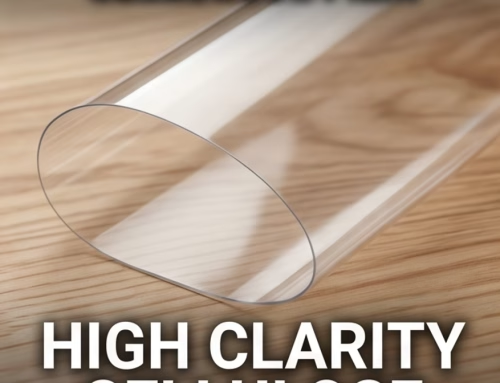
This is the preferred material in European and North American markets and is commonly used for bundling films and protective films. Its key advantage lies in delivering plastic-like physical performance while being derived from renewable wood pulp and certified for home compostability.
Advantages:
- Available in single-sided or double-sided matte finishes, as well as ultra-high gloss grades.
- Glossy versions provide light transmittance exceeding 91%, comparable to conventional BOPP plastic films.
- Excellent scratch resistance (tested at 1,000 cycles under a 4-lb load, achieving a hardness level of up to 2H).
- Compatible with silk-screen printing, hot stamping, UV printing, and other decorative processes.
- Effectively preserves and enhances the original color and premium appearance of the product.
- Supports both silicone and acrylic adhesive systems.
- Silicone-coated grades provide excellent air-release properties, making them ideal for protecting premium metal parts, electronic displays, and plastic components.
- No adhesive residue or wrinkling under low-temperature conditions.
- Heat resistance can reach up to 90°C.
Disadvantages:
- Relatively high cost.
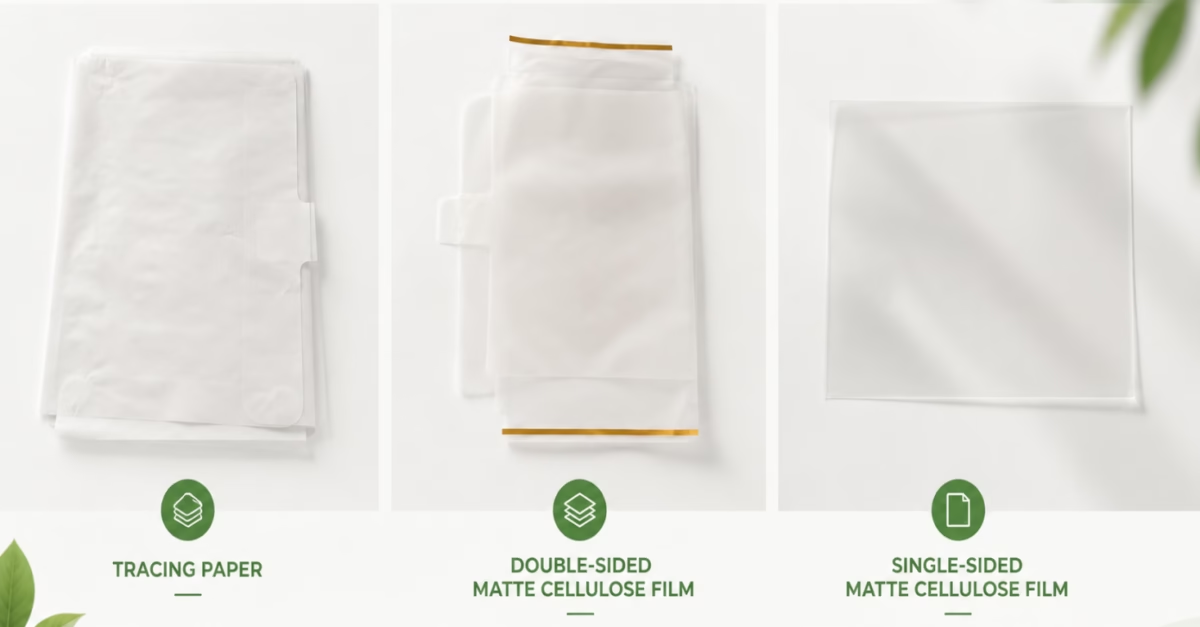
Clearly distinguishing between different material options and defining their positioning allows brand owners to make the most suitable choice based on product performance requirements, market positioning, and the environmental regulations of their target markets.
On the journey toward sustainable packaging transformation, Keyful’s Cellulose Silicone Protective Film and Cellulose Double-Sided Anti-Scratch Matte Film are designed to provide ideal B2B sustainable packaging solutions for consumer electronics manufacturers. Our goal is not only to help companies fundamentally reduce their reliance on conventional plastic materials, but also to deliver a true one-to-one replacement for traditional plastic protective films in terms of functionality. While maintaining excellent protection for sensitive and high-value products, our solutions offer the dual advantages of home compostability and renewable resource sourcing, creating a strong sustainability proposition without compromising performance.
Backed by world-leading technology, Keyful’s cellulose film portfolio has become the preferred choice for many leading consumer electronics brands seeking to accelerate their sustainability initiatives while enhancing the premium look and feel of their packaging.
If you are looking for a plastic-free packaging solution that combines superior protective performance with ESG compliance, we invite you to contact Keyful. Our team will be pleased to provide customized material selection recommendations and professional technical support tailored to your specific application requirements.
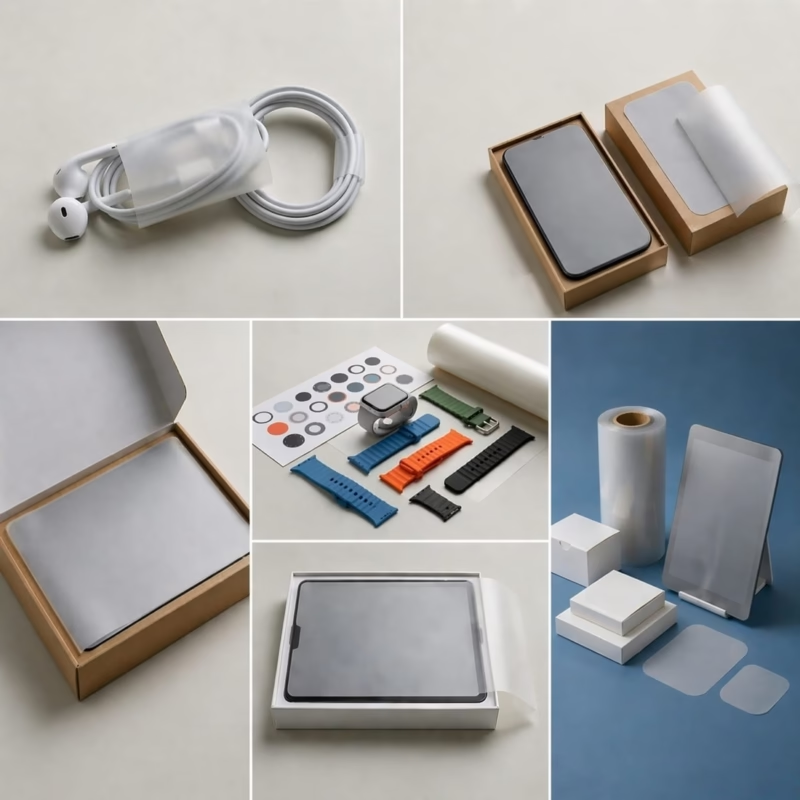
The paradigm shift toward sustainable consumer electronics packaging demands materials that do not force a compromise between premium unboxing aesthetics, rigorous physical protection, and environmental compliance. For procurement managers, packaging engineers, and corporate ESG strategists, the transition from legacy plastics to advanced bio-based alternatives is no longer just a regulatory necessity—it is a critical competitive differentiator. Keyful stands at the vanguard of this transformation, engineering cutting-edge cellulose and BOPLA film solutions that act as seamless, high-performance drop-in replacements for traditional PET and BOPP substrates. By integrating Keyful’s home-compostable and bio-based protective films into your supply chain, your brand can decisively eliminate single-use plastics, safeguard high-value electronic components, and elevate the tactile and visual product presentation. Partner with Keyful to future-proof your packaging architecture, reduce your carbon footprint, and deliver uncompromised quality with verifiable ecological integrity.
FAQ
What are the primary sustainability challenges with traditional protective films in consumer electronics?
Traditional PET, PE, and BOPP films are single-use plastics with degradation cycles spanning thousands of years. They present severe circularity challenges, often ending up in landfills or incineration right after unboxing. This directly conflicts with tightening global ESG regulations and the carbon neutrality goals of premium electronics brands.
Why is tracing paper inadequate as a direct screen protection film?
While tracing paper is cost-effective and highly biodegradable, it is completely opaque and cannot achieve a premium, transparent finish. It obscures the original color, design, and display of the product, making it unsuitable for protecting screens or premium metal components where aesthetic visibility is paramount.
What makes BOPLA film a strong alternative for electronics packaging?
BOPLA (Bio-based Polylactic Acid) delivers an excellent cost-to-performance ratio. It offers a light transmittance of over 91%, comparable to conventional PET, and boasts a high scratch resistance up to a 2H hardness level. Furthermore, it supports premium decorative processes and both silicone and acrylic adhesive systems without leaving residue, functioning flawlessly in temperatures up to 80°C.
Q4: How does the end-of-life disposal of BOPLA differ from Cellulose Film?
BOPLA requires industrial composting facilities with specific conditions to successfully biodegrade into carbon dioxide and water. In contrast, Cellulose film is derived from renewable wood pulp and is certified for home compostability, offering a much more accessible and consumer-friendly end-of-life environmental solution.
Q5: Why is Cellulose Film heavily preferred in European and North American markets?
Cellulose film provides the exact physical performance of plastic while meeting stringent ecological standards. It features exceptional optical clarity, heat resistance up to 90°C, and superior scratch resistance. Its ability to offer a flawless, bubble-free application for high-value displays combined with its home-compostable certification aligns perfectly with Western market regulations.
Q6: Will switching to these biodegradable films require major manufacturing equipment overhauls?
No. Advanced plastic alternatives like Keyful’s BOPLA and Cellulose films are engineered as functional one-to-one replacements. They seamlessly integrate with standard adhesive coating processes (such as silicone air-release systems) and conventional post-press decorations (like silk-screen printing and hot stamping), maintaining high production efficiency.
Q7: How do these sustainable films specifically benefit B2B electronics manufacturers?
By adopting these advanced films, manufacturers can significantly reduce their corporate plastic footprint and meet strict global ESG mandates without sacrificing the durability required for shipping and handling. This allows brands to avoid non-compliance taxes, reduce potential waste fees, and appeal to a rapidly growing demographic of environmentally conscious consumers, thereby increasing overall brand equity.