Why is Flexible Packaging Dominating the Market in 2026?
The packaging industry is on the cusp of a significant transformation, with 2026 poised to be the year flexible packaging truly eclipses rigid containers. This shift is driven by an urgent, dual imperative: reducing substantial shipping costs and drastically cutting carbon footprints. As businesses grapple with escalating logistics expenses and increasing environmental scrutiny, the demand for innovative, sustainable packaging solutions has never been higher. This article will explore the critical factors propelling the adoption of flexible packaging in 2026, with a particular focus on how advanced materials like compostable cellulose films are emerging as the premier choice for this evolution, offering unparalleled performance and environmental benefits.
The transition towards flexible packaging is not merely a trend; it is a strategic response to fundamental economic and ecological pressures. Rigid containers, historically the default for many product categories, present inherent inefficiencies. Their bulky nature consumes excessive space during storage and transit, leading to higher warehousing fees and more frequent, less optimized shipping loads. This inefficiency translates directly into increased fuel consumption and, consequently, a larger carbon footprint.
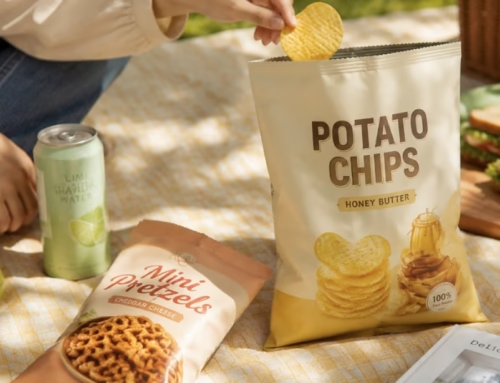
Flexible packaging, in contrast, offers a paradigm shift in space utilization. Materials like stand-up pouches and bags can be shipped flat or with minimal pre-inflation, maximizing the number of units per pallet and per truck. This density is a game-changer for supply chain logistics. It means fewer shipments, reduced fuel expenditure, and a tangible decrease in greenhouse gas emissions, directly addressing the environmental concerns that are increasingly influencing corporate sustainability goals and consumer purchasing decisions.
What are the Key Benefits Driving This Flexible Packaging Revolution?
The advantages of embracing flexible packaging solutions are multifaceted and impactful, touching upon operational efficiency, cost savings, and environmental stewardship. For businesses looking to optimize their supply chains and enhance their brand image, these benefits are compelling.
- Reduced Shipping Costs: Lightweight and space-efficient formats drastically lower freight expenses.
- Lower Carbon Footprint: Optimized logistics and material reduction contribute to significant CO2 emission savings.
- Enhanced Product Protection: Modern flexible materials offer robust barrier properties against moisture, oxygen, and light.
- Consumer Convenience: Resealable pouches and easy-open features improve user experience.
How Do Pouches and Bags Outperform Traditional Containers?
The versatility of flexible packaging formats, particularly stand-up pouches and various bag constructions, allows them to adapt to a wide array of product needs. Unlike rigid bottles or boxes, these formats can be engineered with specific barrier properties tailored to the product’s requirements, ensuring optimal preservation and extending shelf life. This customization is crucial for food, pharmaceuticals, and other sensitive goods.
Furthermore, the inherent lightweight nature of flexible packaging significantly impacts the total weight of goods being transported. This reduction in weight, combined with the aforementioned space-saving efficiencies, creates a powerful synergy for cost reduction. It allows for greater payload capacity per vehicle, meaning fewer trips are needed to transport the same volume of goods, directly translating into lower fuel costs and fewer emissions.
What is the Role of Advanced Materials in Flexible Packaging?
The performance of flexible packaging is intrinsically linked to the materials used in its construction. Historically, plastics have dominated due to their durability, barrier properties, and cost-effectiveness. However, concerns over plastic waste and its environmental persistence have spurred innovation in alternative materials. The industry is now looking towards solutions that can mimic the performance of conventional plastics while offering superior end-of-life options.
This is where novel materials like compostable cellulose films are making a significant impact. Derived from renewable wood pulp, these films offer a compelling alternative. They provide the essential mechanical strength and barrier capabilities required for modern packaging, including the ability to form robust seals, essential for product integrity and safety. Their biodegradable and compostable nature addresses the critical end-of-life challenges associated with traditional plastics.
Why is KEYFUL’s Cellulose Film the Ideal Solution for 2026?
KEYFUL’s compostable cellulose films represent a significant leap forward in sustainable packaging materials. Designed for the demands of the 2026 market, these films are engineered to provide the performance characteristics that the industry requires, without the environmental baggage of conventional plastics. They are ideally suited for laminating paper-based pouches, creating sophisticated packaging structures that meet stringent protection standards.
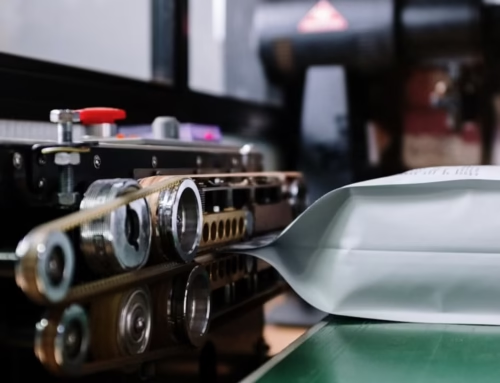
Our cellulose films enable the creation of double-seal solutions, a critical feature for ensuring product security and preventing leaks, especially for liquid or granular products. The superior tear resistance of these films means that pouches can withstand the rigors of handling and transit, minimizing product damage and returns. This robust performance ensures that the integrity of the packaged goods is maintained throughout the supply chain.
How Does Cellulose Film Offer Plastic-Like Performance with Biodegradability?
The core innovation of KEYFUL’s cellulose films lies in their ability to deliver the mechanical performance typically associated with petroleum-based plastics. This includes excellent tensile strength, puncture resistance, and, crucially, effective heat sealability. These properties are essential for creating reliable and durable packaging that consumers and businesses expect.
What sets them apart is their complete biodegradability and compostability. Unlike plastics that persist in the environment for centuries, cellulose films break down naturally under appropriate conditions, returning to the ecosystem without leaving harmful microplastics. This dual benefit – high performance and genuine environmental responsibility – positions KEYFUL’s cellulose films as the material of choice for forward-thinking brands and manufacturers aiming for a truly circular economy.
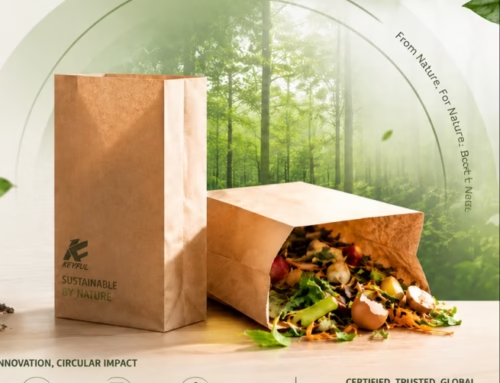
For instance, the Forest Stewardship Council (FSC) certification is increasingly becoming a benchmark for responsibly sourced materials. Our cellulose films are derived from sustainably managed forests, ensuring that the raw material sourcing aligns with global standards for environmental and social responsibility, further enhancing the sustainability credentials of the final packaging.
What are the specific advantages of KEYFUL’s cellulose laminating film?
Our cellulose laminating film provides a unique combination of properties that are highly sought after in the flexible packaging sector. It offers excellent clarity and printability, allowing brands to maintain high aesthetic standards for their packaging. Its high tensile strength ensures that the laminated structure can withstand significant stress without failing.
Furthermore, the film’s inherent barrier properties against moisture vapor and oxygen are critical for extending the shelf life of perishable goods. This reduces food waste, a significant global challenge. The film’s compatibility with paper substrates allows for the creation of composite structures that leverage the best attributes of both materials – the printability and sustainability of paper, combined with the barrier and strength of cellulose.
Can this material truly replace conventional plastic films?
Yes, for many applications, KEYFUL’s compostable cellulose films can effectively replace conventional plastic films. The key is understanding the specific performance requirements of the product being packaged. For applications requiring very high barrier properties against gases or extreme temperatures, multi-layer structures might still be necessary, potentially incorporating cellulose films as a key layer.
However, for a vast majority of flexible packaging needs, including stand-up pouches for dry goods, snacks, coffee, and even some liquid products, our cellulose films offer equivalent or superior performance. Their ability to form strong seals, resist punctures, and provide adequate barrier protection makes them a viable and environmentally superior alternative. The ongoing development in material science promises even broader applicability in the near future.
Addressing the Challenges of the 2026 Packaging Landscape
The shift towards flexible and sustainable packaging is not without its challenges. Manufacturers and brands must adapt their production lines and supply chain strategies to accommodate new materials and formats. This includes investing in new sealing technologies, understanding the nuances of compostable material handling, and ensuring proper end-of-life infrastructure is available.
Consumer education is also a critical component. For compostable packaging to be truly effective, consumers need to understand how to dispose of it correctly. Clear labeling and communication about composting facilities are essential to prevent confusion and ensure materials are processed as intended, rather than ending up in landfill or recycling streams where they may not be compatible.
How does lightweight packaging contribute to sustainability goals?
Lightweight packaging is fundamental to achieving ambitious sustainability goals. By reducing the material used per package and decreasing the overall weight transported, businesses can significantly lower their environmental impact. This reduction in material usage conserves natural resources and minimizes waste generation throughout the product lifecycle.
The most immediate and measurable impact of lightweight packaging is seen in transportation. Less weight means less fuel is burned, leading to a direct reduction in greenhouse gas emissions. This aligns perfectly with corporate social responsibility targets and global climate agreements. It also offers a competitive advantage, as consumers are increasingly prioritizing brands that demonstrate a commitment to environmental protection.
What is the future outlook for compostable barrier pouches?
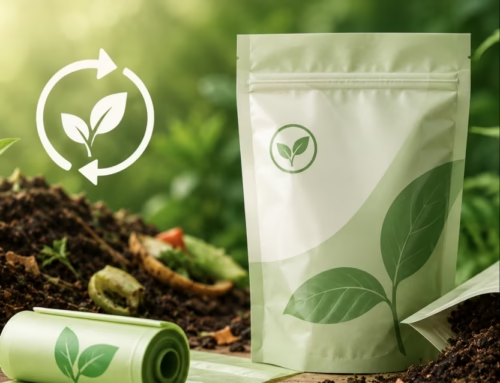
The future outlook for compostable barrier pouches is exceptionally bright. As the limitations of traditional plastics become more apparent and regulatory pressures increase, the demand for high-performance, compostable alternatives will continue to grow. Innovations in material science are rapidly improving the barrier properties and cost-effectiveness of compostable films.
We anticipate that compostable barrier pouches will become a standard offering across many consumer product categories. Brands that proactively adopt these solutions will not only meet evolving consumer expectations but also position themselves as leaders in environmental innovation, gaining a significant edge in the competitive 2026 marketplace. KEYFUL is at the forefront of developing these next-generation materials.
Integrating KEYFUL’s Cellulose Film into Your Supply Chain
For wholesalers and manufacturers, the transition to flexible packaging, particularly using advanced materials like KEYFUL’s cellulose films, presents a strategic opportunity. It allows for a significant reduction in operational costs related to logistics and warehousing, while simultaneously enhancing brand reputation through a commitment to sustainability. Implementing these changes requires a thoughtful approach to material selection and process integration.
Our technical team is available to collaborate with you to identify the optimal flexible packaging solutions for your specific product needs. We can assist in evaluating the performance requirements, recommending appropriate film structures, and providing guidance on integration into existing manufacturing processes. The goal is to ensure a seamless and beneficial transition to a more sustainable and cost-effective packaging future.
As the packaging landscape irrevocably shifts towards lighter, more sustainable formats by 2026, partnering with a material innovator is paramount. KEYFUL’s compostable cellulose films offer the performance, sustainability, and cost-efficiency that the market demands. We invite wholesalers and manufacturers to explore how KEYFUL can be your strategic partner in adopting the flexible packaging solutions of the future, ensuring your products are protected, your costs are minimized, and your environmental commitment is clear.