The Visibility Dilemma: Consumer Demand vs. Recyclability
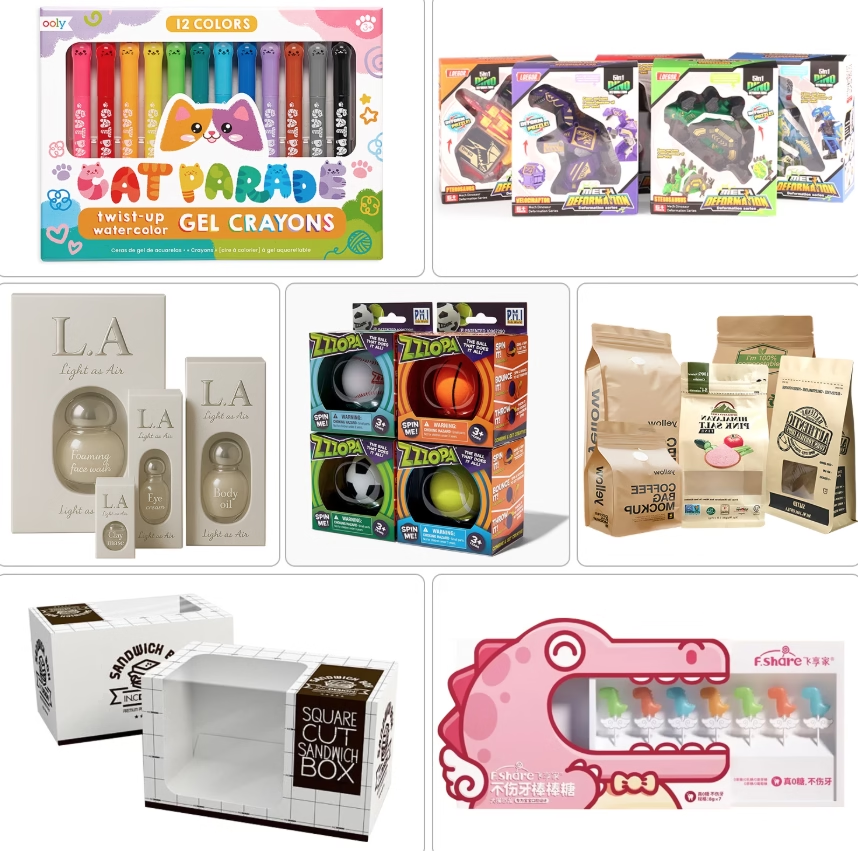
In today’s competitive retail landscape, the ability for consumers to see the product within its packaging is no longer a luxury but a critical purchasing driver. This demand has propelled window packaging into widespread adoption across numerous FMCG sectors. However, the very elements that create this desirable transparency often introduce significant end-of-life complications, particularly when traditional plastic films are fused with paperboard cartons.
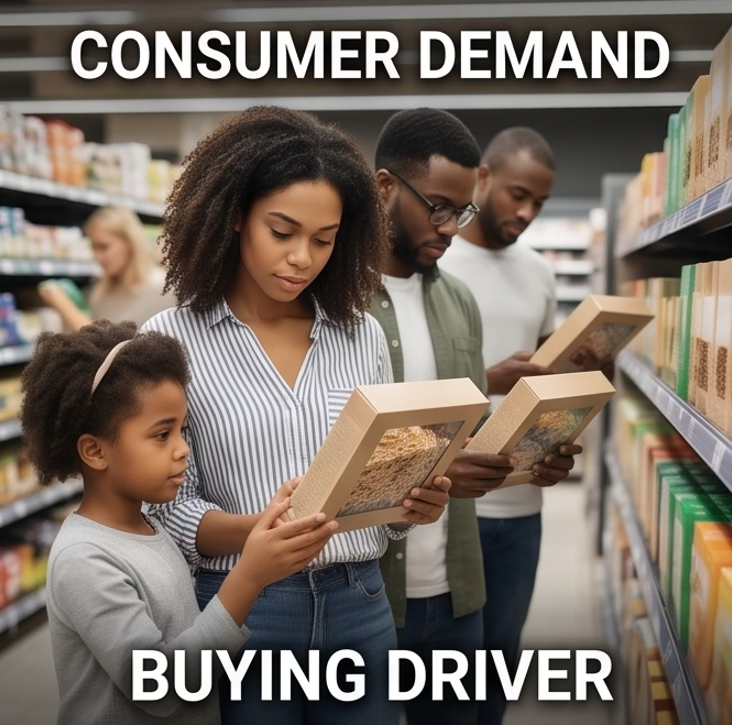
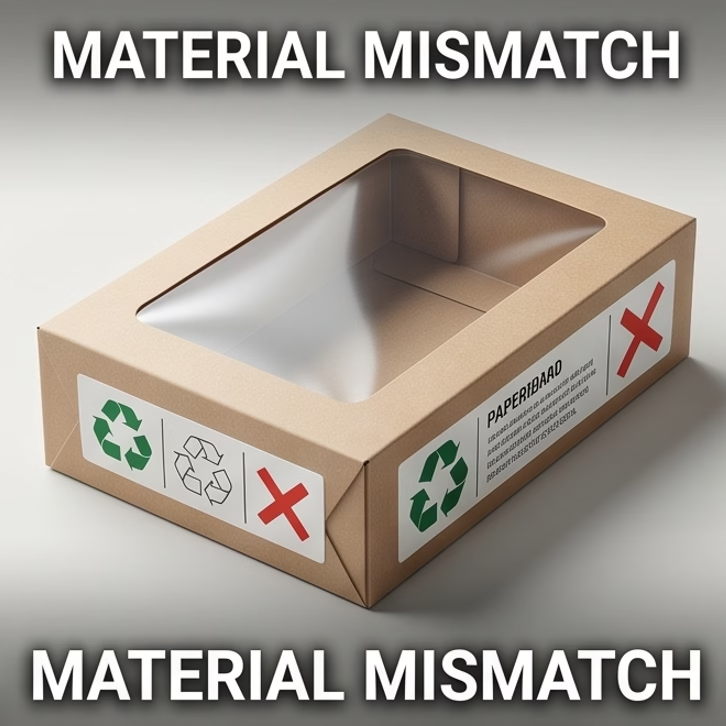
The core challenge lies in the material mismatch. While paper cartons are increasingly recognized for their recyclability, the ubiquitous use of conventional plastic films, most commonly PET (Polyethylene Terephthalate), for windows creates a complex recycling stream. This article will unpack the hidden financial and environmental burdens associated with traditional PET windows and introduce a superior, sustainable alternative that meets both consumer expectations and regulatory demands.
Key Takeaways:
- Traditional PET windows complicate paper recycling, leading to higher costs and EPR fees.
- High gloss cellulose films offer equivalent transparency and gloss without the recyclability issues.
- Cellulose window packaging is paper-film homologous, enabling combined recycling or composting.
- Switching to cellulose significantly reduces Total Cost of Ownership (TCO) by eliminating separation and disposal expenses.
What are the Hidden Environmental Costs of Traditional PET?
The allure of PET window packaging is its cost-effectiveness and clarity. However, this upfront affordability masks substantial downstream environmental costs. When PET film is laminated or glued onto paperboard, it creates a composite material that most standard paper recycling facilities are ill-equipped to handle. The PET contaminates the paper pulp, often resulting in the entire package being diverted to landfill or incineration.
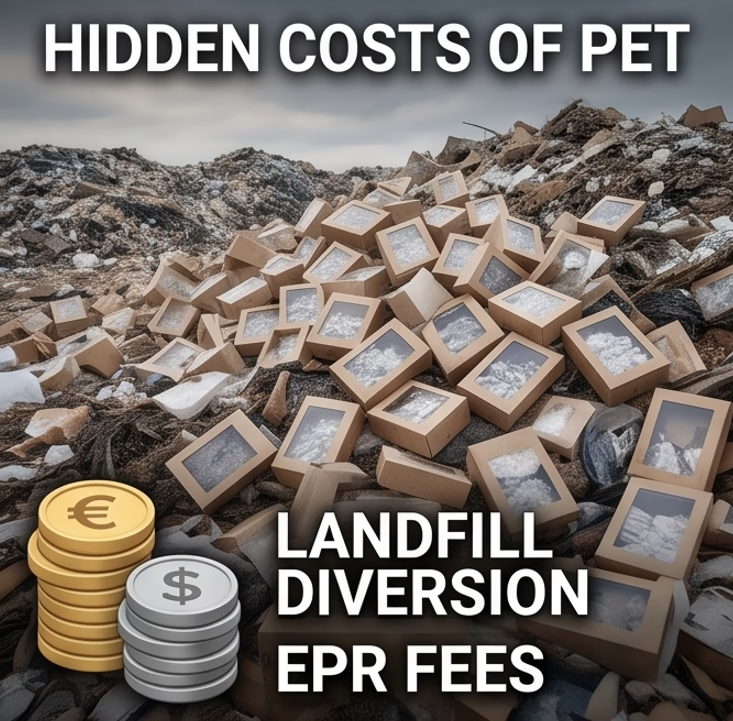
This diversion carries significant financial penalties. Extended Producer Responsibility (EPR) schemes, now prevalent globally, impose fees based on the recyclability and material composition of packaging. Unrecyclable mixed-material packaging, like PET-windowed cartons, incurs higher EPR taxes. Furthermore, increased landfill fees and the potential for brand reputation damage due to perceived environmental irresponsibility add to the true cost. These packaging recycling separation costs are a growing concern for B2B buyers and sustainability managers.
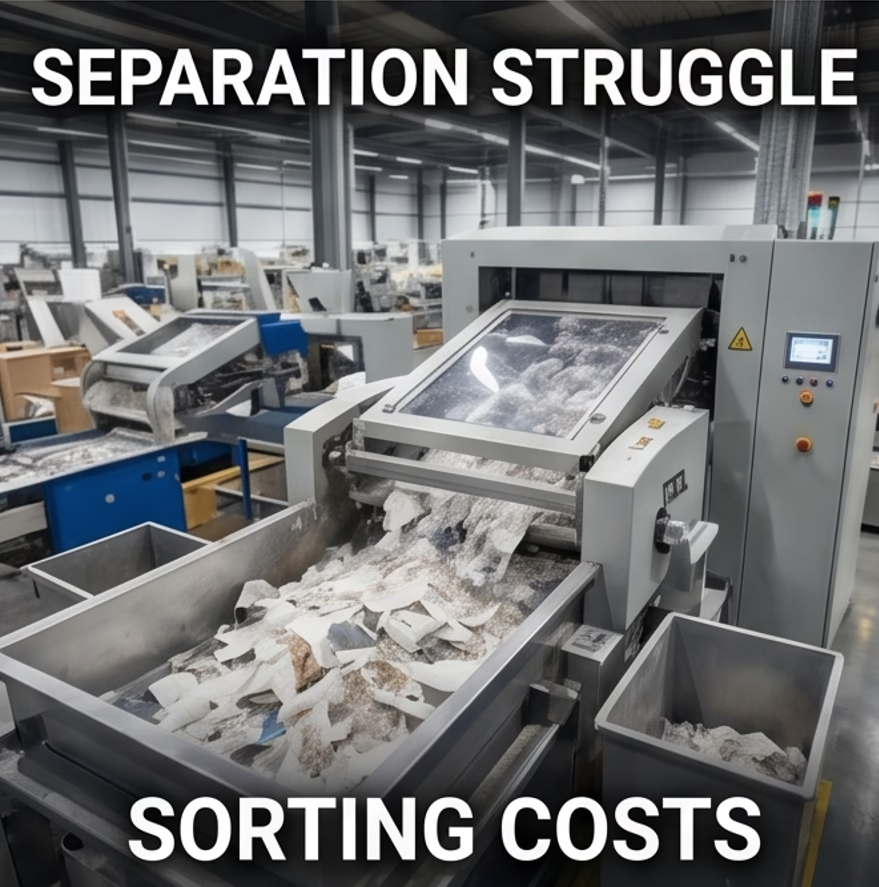
The struggle to efficiently separate PET from paper is a well-documented issue in the recycling industry. Specialized, costly sorting technologies are required, which are not universally available, leading to a low effective recycling rate for these items. This inefficiency directly translates into higher operational costs for waste management and, consequently, higher fees for producers.
Can We Achieve Plastic-Like Clarity with Cellulose?
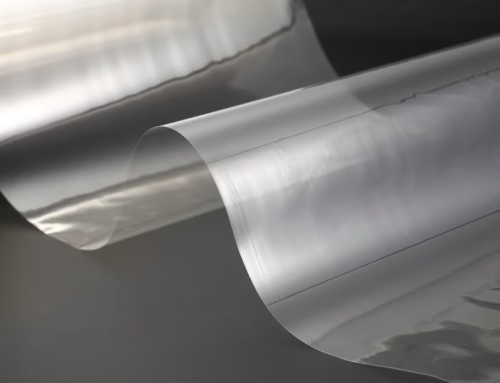
The search for a truly sustainable window packaging solution has led to the development of advanced materials that do not compromise on aesthetics or functionality. High Gloss Clarity Cellulose Window View Film emerges as a leading contender, offering a compelling alternative to traditional plastics. Derived from wood pulp, this innovative film delivers exceptional transparency, a premium high gloss finish, and the necessary structural integrity to protect and showcase products effectively.
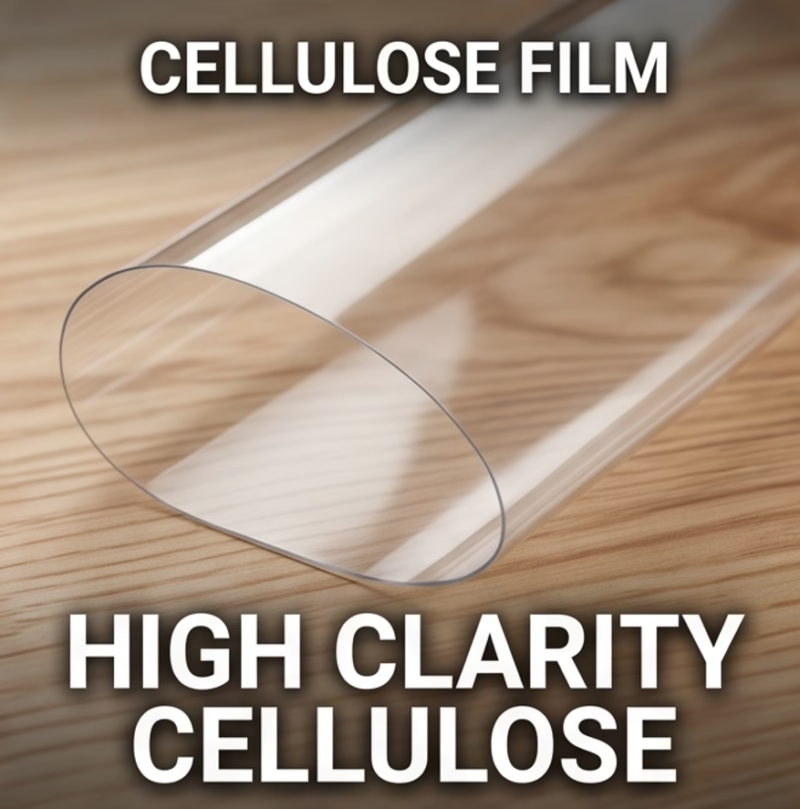
Crucially, cellulose window films provide the same visual appeal and tactile experience that consumers and brands have come to expect from PET. This means brands can maintain, and even enhance, their shelf presence without resorting to problematic plastic components. The film’s clarity ensures optimal product visibility, driving consumer engagement and purchase intent, while its sustainable origin addresses mounting environmental concerns.
The performance of these cellulose films is engineered to match PET in terms of light transmission, durability, and printability. This allows for a seamless transition for converters and brands, avoiding the need for significant retooling or process adjustments. It represents a significant step forward in achieving eco high clarity plastic-free window packaging fiml.
What is the “Paper-Film Homologous” Advantage?
The most significant differentiator for cellulose window films is their inherent compatibility with paper-based packaging systems, a characteristic we can define as “paper-film homologous.” Because cellulose film originates from wood pulp – the same fundamental material as the paper carton it is attached to – it shares a common material identity. This fundamental similarity is the key to unlocking true recyclability and compostability.
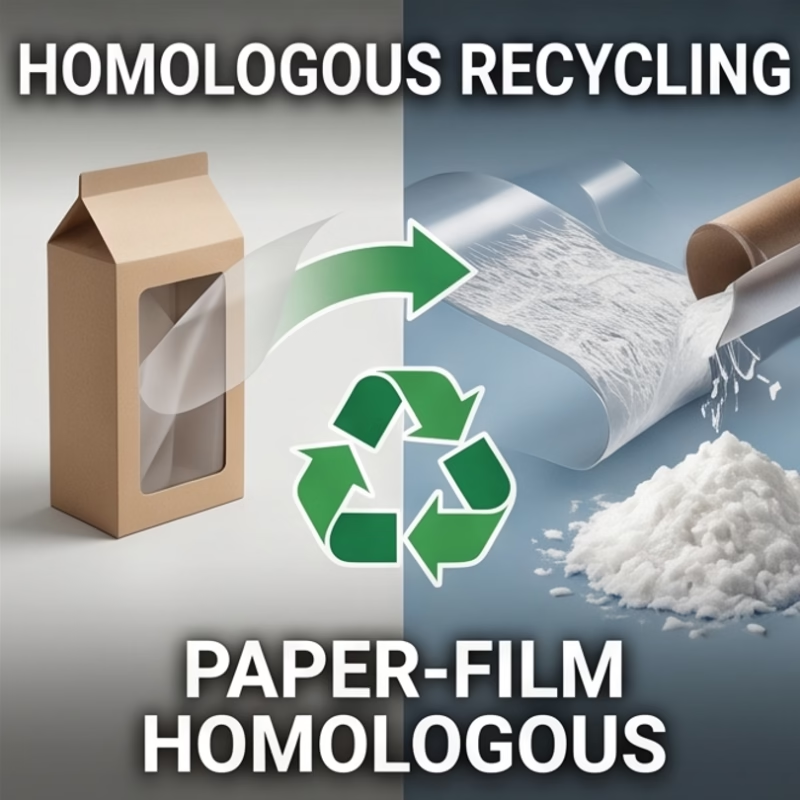
When a carton utilizes a paper-film homologous cellulose window, the entire package can be processed together through existing paper recycling streams. There is no need for complex separation machinery or manual sorting. The cellulose film integrates seamlessly with the paper fibers during the pulping process, effectively disappearing without contaminating the recycled material. This eliminates the costly packaging recycling separation costs that plague PET-windowed packaging.
This homologous nature also extends to composting. Cellulose is inherently biodegradable and compostable, meaning that packages made with cellulose windows can be directed to industrial composting facilities, breaking down naturally without leaving harmful residues. This offers a dual-benefit solution: enhanced recyclability within paper streams and viable compostability, making it a truly compostable cellulose window film for cartons.
How Does Cellulose Impact Total Cost of Ownership (TCO)?
While the upfront material cost per square meter of PET film might appear lower than that of high-quality cellulose window film, a comprehensive Total Cost of Ownership (TCO) analysis reveals a dramatically different financial picture. The true economic burden of PET windows lies in the indirect costs associated with their end-of-life management. These include escalating EPR fees, plastic taxes levied by governments, and increased landfill or incineration charges due to their unrecyclable nature.
Switching to a sustainable transparent film for paper boxes like cellulose effectively eliminates these hidden costs. Brands and converters no longer face penalties for using non-recyclable components. The simplified waste stream processing means lower collection and disposal fees. Furthermore, the enhanced sustainability profile can lead to improved brand perception and potentially unlock new market opportunities, contributing positively to the overall TCO.
Consider a scenario where EPR fees for non-recyclable packaging are $500 per tonne, and a brand uses 100 tonnes of PET-windowed packaging annually. This alone represents a $50,000 annual cost. When factoring in potential plastic taxes and landfill fees, the TCO advantage of cellulose becomes substantial. Cellulose provides a biodegradable alternative to PET window film that aligns financial viability with environmental responsibility. For detailed insights into how material choices impact waste management costs, organizations like the UK Government’s guidance on Packaging Waste Producer Responsibility offer valuable context on regulatory frameworks.
The decision to adopt cellulose window films is not merely an environmental choice; it is a strategic financial decision. By eliminating the complexities and costs associated with PET film recycling, brands can achieve significant savings, ensure regulatory compliance, and enhance their sustainability credentials. This approach supports the creation of paper-film homologous recyclable packaging that benefits both the business and the planet, offering a clear path towards a more circular economy for packaging.